
Adding Land Days to Your European Cruise: 6 Mistakes We've Learned to Avoid
On our first trip to Europe a decade ago, our three-generation family set off for Copenhagen, Denmark without having researched a single restaurant. What followed was one of those travel moments you laugh about later but definitely don't enjoy in the moment.
We ended up spending over an hour wandering from restaurant to restaurant. Our kids couldn't find anything appealing on any menu. Their grandfather was quietly hoping we'd give up and find an Americanized fast-food chain. The two of us actually wanted to experience Copenhagen's food scene.
Nobody could agree, and the longer we stood on the sidewalk debating, the hungrier and crankier everyone got. We finally settled on a place that satisfied no one completely, quietly lowered our own standards, and that was that.
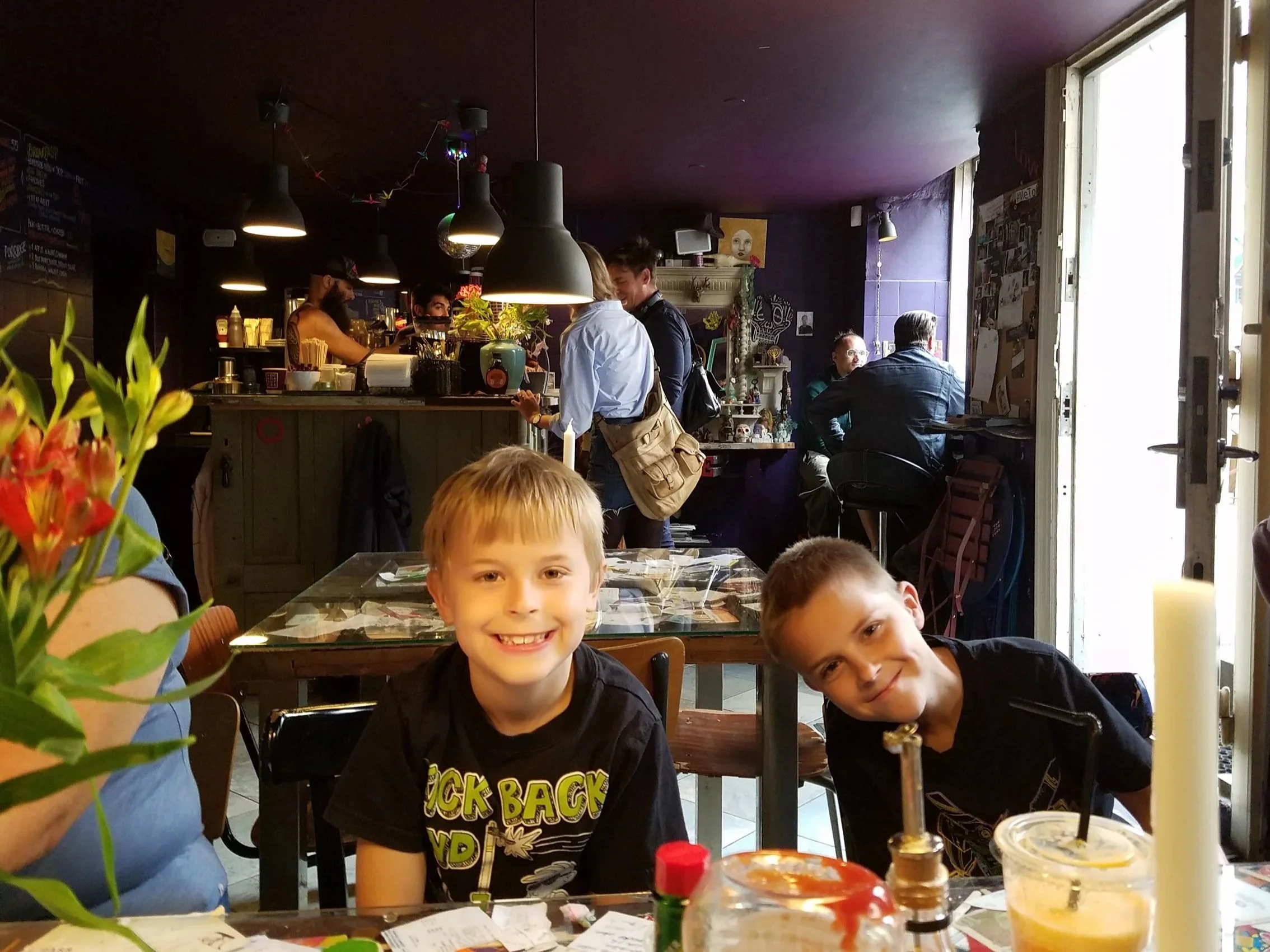
Happy faces once we found a place to eat.
A short list of nearby, family-friendly restaurants would have saved that hour on the sidewalk. It was a small lesson, but it changed how we plan.
We've added land extensions to every European cruise we've taken since. With the right preparation, those extra days can be the highlight of the trip. Without it, they can unravel fast.
Land extensions are worth the effort when planned well, and our family is proof.
These six common mistakes can turn a great trip into a frustrating one, and most families don’t see them coming until they’re already on the ground.
Here’s what to watch for.
1. Making Your Itinerary Too Ambitious
Say you have two days in Paris. Your first instinct is to squeeze everything in: the Louvre, the Eiffel Tower, Montmartre, Versailles, a Seine River cruise, and a few museums for good measure. You've got a spreadsheet. You've got a timeline. You've got a plan.
Then you arrive. The lines are longer than expected. Getting across town takes twice as long as Google Maps promised. Your kids need a break. Grandparents need to sit down. And suddenly your carefully constructed schedule is in pieces by noon.
The fix: Limit yourself to one or two planned attractions per day. That's not being lazy. It's being realistic about what travel actually looks like on the ground, especially with multiple generations in tow. Keep a third option loosely in mind as a "maybe," but go in accepting you probably won't get there. You'll enjoy what you do see far more when you're not racing to the next thing.
2. Wrong Luggage, Wrong Shoes
These two things cause more stress than almost anything else on a European land extension, and yet they're completely within your control before you even leave home.
On luggage: Oversized suitcases are a liability in Europe. Cobblestone streets, steep staircases, narrow doorways, and crowded train platforms aren’t designed with a massive rolling bag in mind. You'll pay extra fees, struggle to store your bag, and burn energy just hauling it around. Leave the big suitcase at home and pack lighter than you think you need to.
On shoes: Please do not bring heels. Do not bring anything stiff, new, or clunky. European cities could have you walking 15,000 steps or more a day on uneven, rough terrain, and your feet will make you pay dearly for any footwear that isn't broken in and genuinely comfortable. Bring shoes you've already worn. Your future self will be thankful.

3. Not Getting Tickets in Advance
Here's something that surprises first-time visitors to Europe: you can't just show up at the top attractions and walk in. In Rome, Paris, Florence, Amsterdam, and Venice, the most popular sites require tickets purchased ahead of time, sometimes weeks or even months out.
The Colosseum. The Vatican Museums. The Eiffel Tower. The Anne Frank House. These often sell out during peak season. If you haven't secured your tickets before you arrive, you may find yourself standing outside a landmark you’ve been looking forward to for months, unable to get in.
The fix: As soon as you know you're taking this trip, start researching which attractions require advance tickets and how far ahead they need to be booked. Don't wait until the week before departure. This is one of those things that rewards early action and punishes procrastination.
4. Booking the Wrong Accommodations
It's tempting to book a hotel ten miles outside the city to save money. On paper, the math looks great. In practice, it can quietly wreck your trip.
That 10-mile distance doesn't translate to a quick drive. In a busy European city, it can easily mean an hour or more of commuting each way. Once you start adding up the cost of taxis, trains, or rideshares in and out of the city every single day, that money you "saved" on the hotel often disappears, and then some. Multiply that across a group of six, seven, or more people traveling together, and the math gets painful fast.
Beyond the expense, there's the time. Every hour spent getting into the city center is an hour you're not spending at a cafe, wandering a market, or soaking in the neighborhood you came all this way to experience.
The fix: Book accommodations in the heart of where you want to be. It may cost more upfront, but you get extra time, less stress, and the freedom to simply walk out your front door and be right there. Most of what you want to see and do in a European city is walkable when you're staying in the right place. Book early, book centrally, and don't let a lower nightly rate trick you into a more stressful trip than you bargained for.
5. Not Researching European Transportation
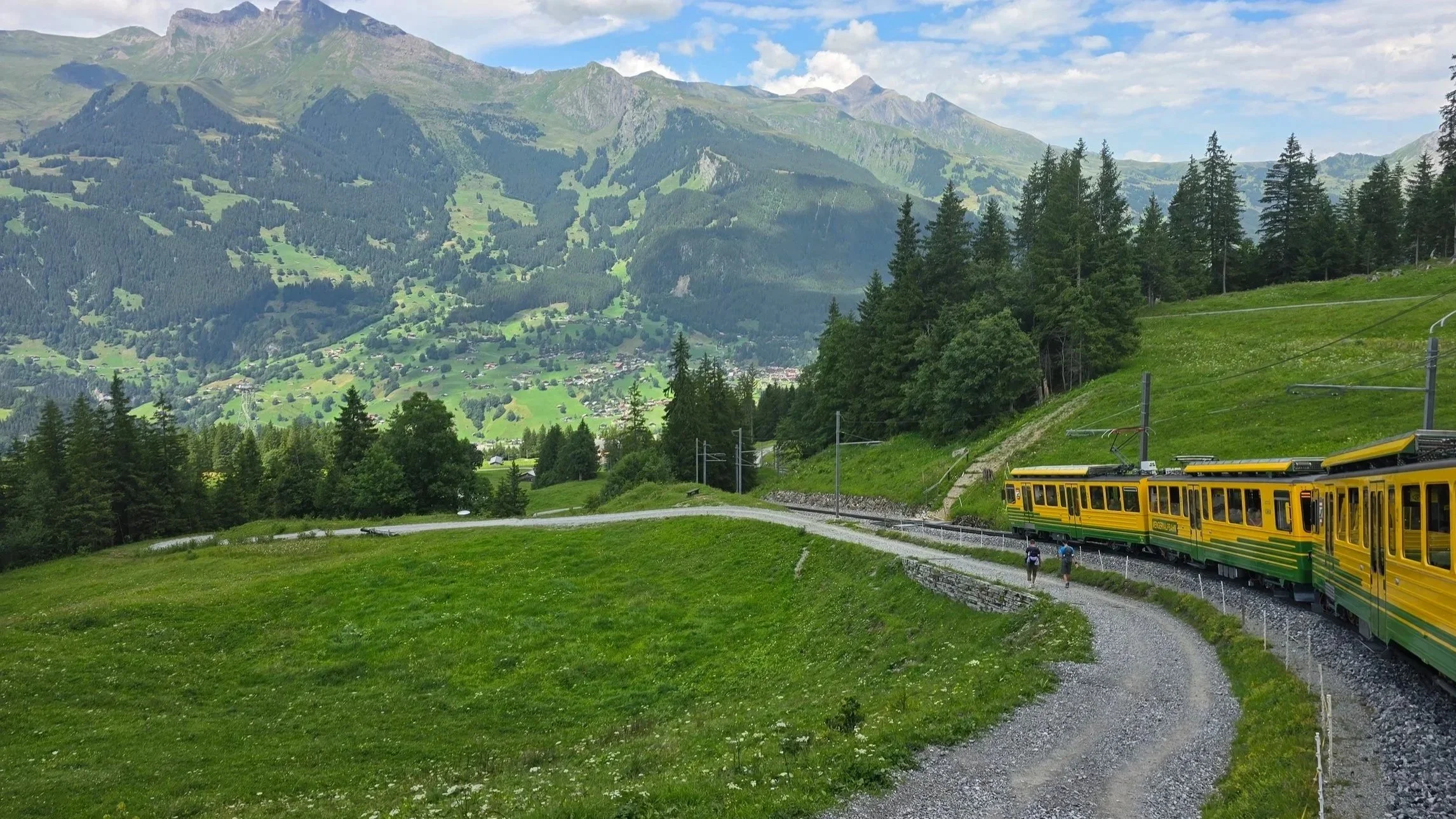
If you haven't navigated European rail before, it's unlike anything most Americans have experienced. That's not a bad thing, but it does require preparation.
There are regional trains and high-speed trains, and they operate quite differently. Some trains have strict baggage policies, and most have limited storage, which is another reason oversized luggage creates problems. You're expected to manage your own bags, get to the correct train car, and board efficiently. The trains run on time, and they don't wait. That means finding your car number, understanding the reservation system, knowing which station you're departing from (many cities have multiple), and sometimes even just figuring out how to open the door to board the train. There's a real learning curve.
The fix: Research European transportation well before your trip. Understand the difference between train types, figure out which tickets to buy, know the baggage rules, have a clear plan for how you're getting from point A to point B, and know your options if you miss a connection. The more you understand going in, the smoother the experience will be on the ground.
6. Not Knowing Any of the Local Language
You don't need to be fluent, not even close. But making zero effort to learn a few basic words in the local language is a mistake, both practically and culturally.
In most European countries, locals genuinely appreciate it when visitors try, even if imperfectly. Paris in particular has a reputation here: if you walk in speaking only English and make no attempt at French, you may find the welcome noticeably cooler. A simple bonjour and merci go further than you'd expect.
A practical tip: Download the relevant Google Translate language packs before you leave home. Depending on where you are in Europe, you may have limited or no cell signal when you need it most. Offline packs let you access translations without a cell connection, a small step that can save you from a big headache.
One Final Thought
Adding a land extension to your European cruise lets you see far more of Europe than a day in port allows, and it’s worth the effort. But as you can see, the difference between a trip everyone enjoys and one spent solving logistics problems comes down to the details. Planning a cruise-plus-land itinerary well can easily take 20 or more hours of research to line up flights, lodging, train schedules, transfers, and activities.
Most of these mistakes are easy to avoid once you know to look for them. All the planning for a trip before you leave home protects what matters most on the ground: your family’s time, energy, and patience.
Traveling through Europe with multiple generations should be about making memories, not putting out logistical fires. Give yourself time to plan (we recommend 12-18 months out), pack light, slow the pace, and enjoy your time on the ground.
Not ready to talk yet?
Family cabins and connecting hotel rooms in Rome and Paris sell out earlier than most people expect. This one-page guide lays out what to lock in at 18, 12, and 6 months so you're choosing from the good options instead of whatever's left.
You'll also get an occasional note from us about planning group trips to Europe. Unsubscribe whenever you like.