
How to Build a Family Travel Bucket List You'll Actually Use
There's a quote that floats around travel circles: "Work is the time we wait between vacations." We're not sure we'd say that to our boss, but as a sentiment? We get it.
The trips that matter most — the ones your kids will talk about for decades, the ones that bring extended family together in a way that nothing else can — don't just happen. They start with a list. A real one. Not a vague mental note, not a running conversation that never goes anywhere. An actual list you can look at, update, and eventually check off.
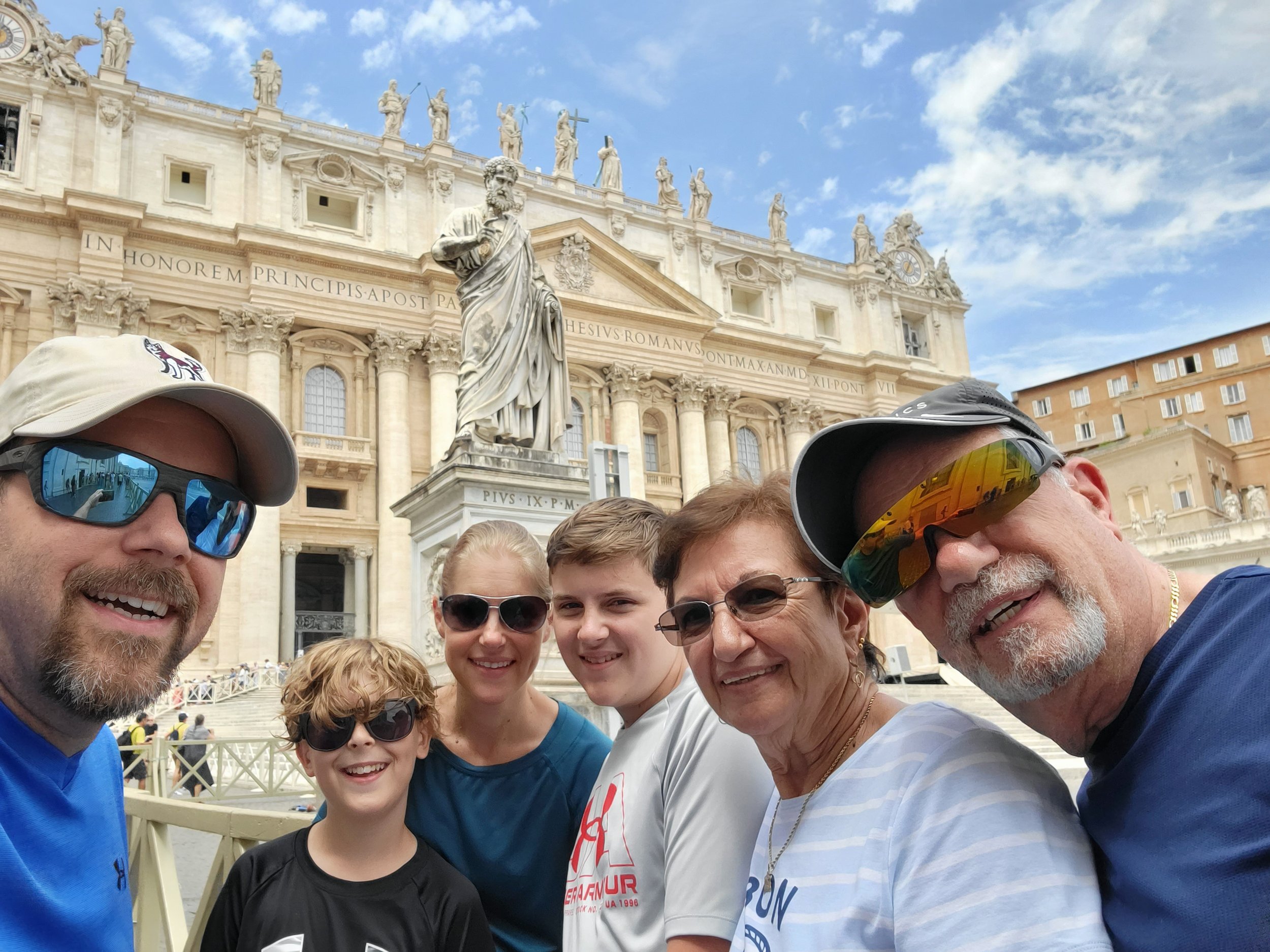
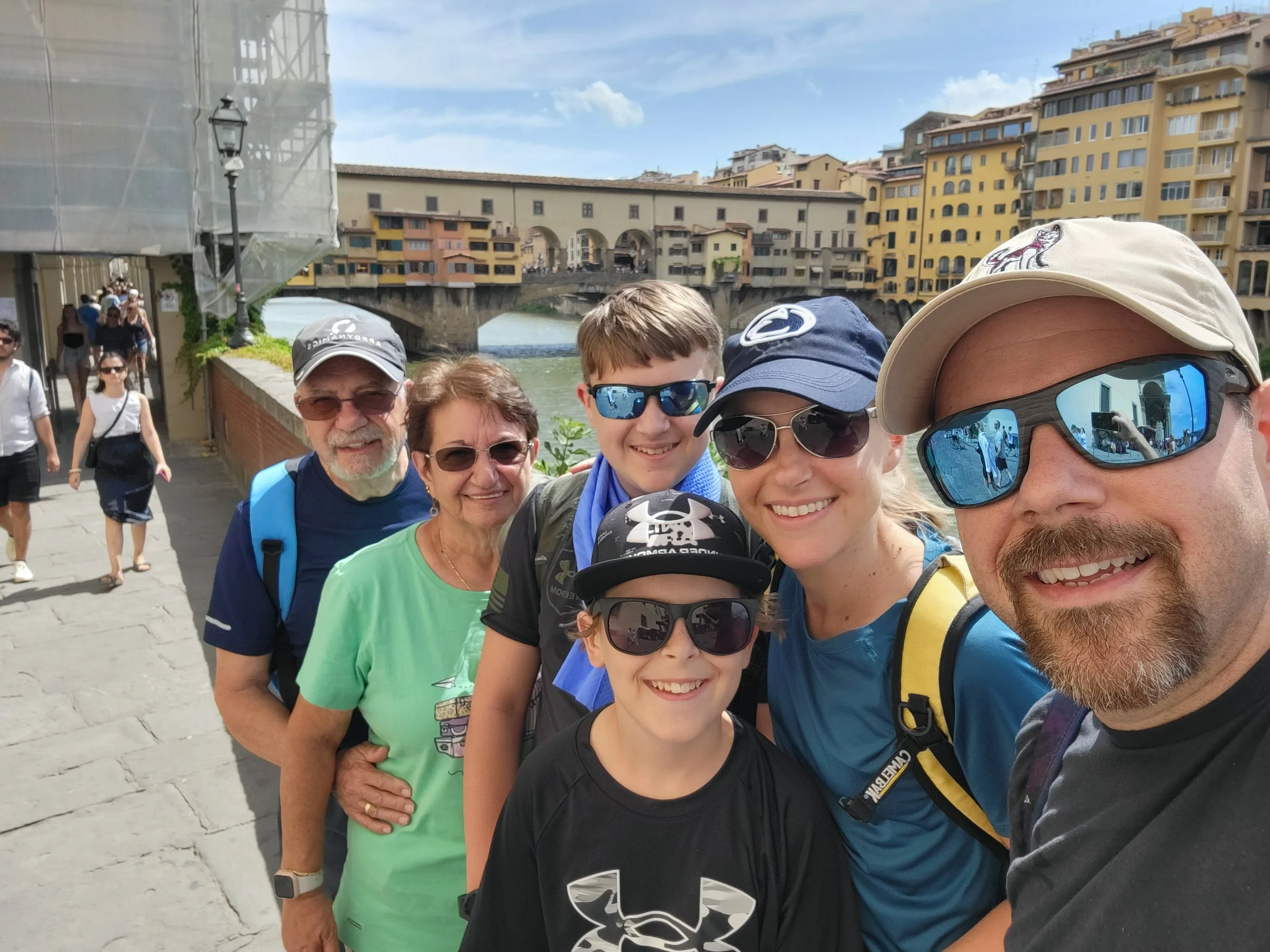
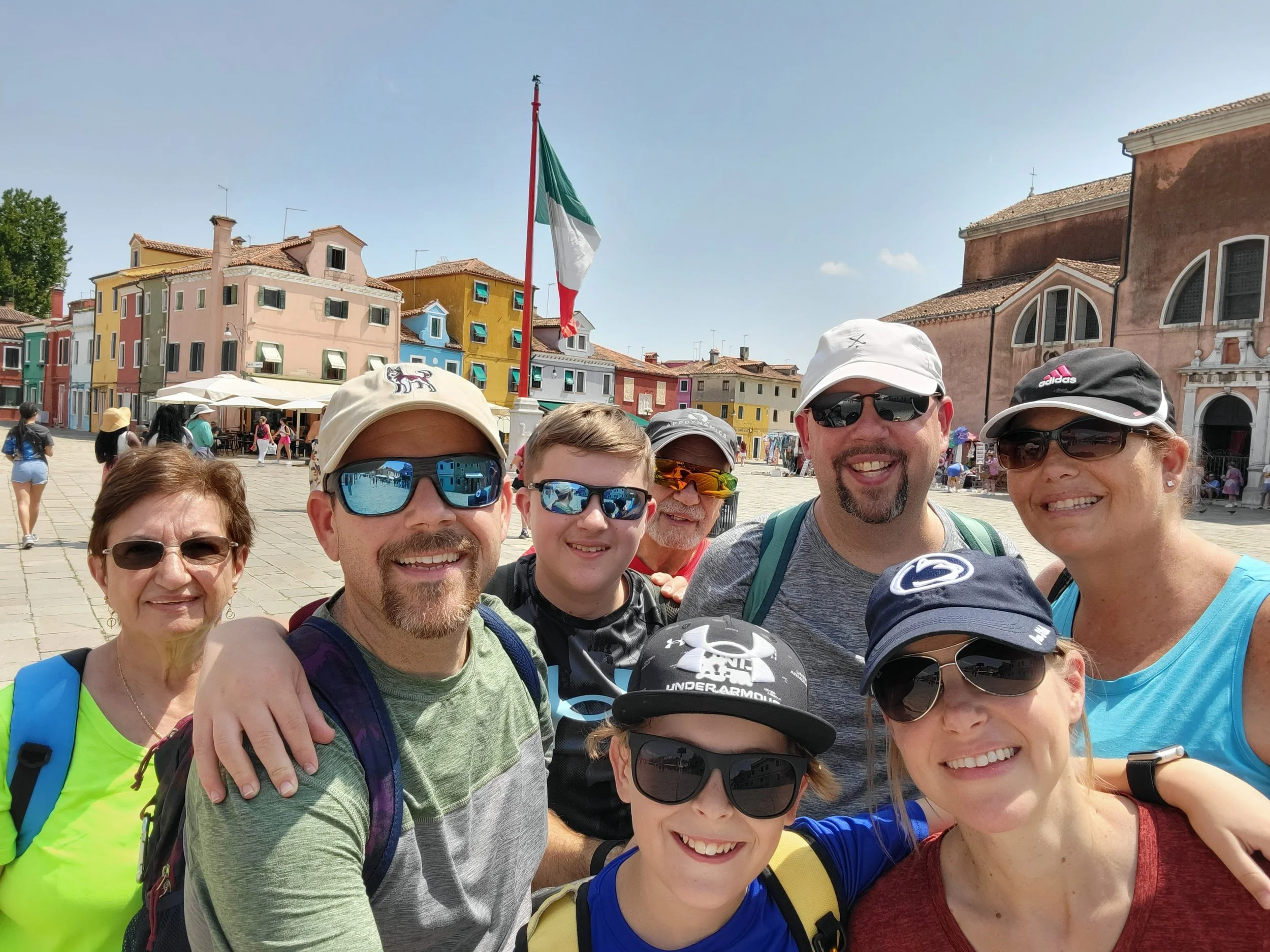
Our family at St. Peter's Basilica in Vatican City. Three generations, one trip, more stories than we expected.
Here's how to build one.
Pick a format you'll actually use.
There's no right answer here — a notebook, a shared Google Doc, a note on your phone. What matters is that it's accessible and easy to update. We're partial to a shared digital document for one simple reason: it's easy to bring everyone into the same place. If you're planning travel for a multi-generational group or coordinating across multiple families, that shared document becomes the foundation for every conversation you'll have. We have used google.com/mymaps with great success because it can inspire and help you organize your trips while also making it easy to share them with your group.
Start with where you've already been.
Before you start dreaming forward, look back. What trips have you taken? What worked? What didn't quite land? If you're traveling as a family or coordinating with another family, this is especially valuable. If you don’t already know, you'll quickly learn that some people want to revisit a place they loved, while others are only interested in somewhere completely new. Either answer is valid. The point is to have the conversation early rather than mid-planning.
Then, dream without limits.
This is the step where you resist the urge to be practical. Where did you always imagine going when you were young? What destinations have you bookmarked or pinned over the years and never acted on? What have people in your life raved about that made you think, someday?
Write it all down. Europe, Southeast Asia, a national park road trip, a place you can't quite pronounce, but saw on a travel blog once. Don't filter based on cost or timing yet. That part comes later.

Holding a sloth was on our son's bucket list for a while. One port stop in Roatán, Honduras made it happen.
Think experiences, not just places.
A destination is where you go. An experience is what you're there for. These are different things, and each deserves its own list.
Maybe it's watching the Northern Lights from somewhere cold and quiet. Maybe it's a Mediterranean cruise where your parents and your kids are all on the same deck at sunset. Maybe it's wandering a city your grandmother came from. Maybe it's something completely outside your comfort zone, such as a cooking class in Italy where you don't speak the language, or a guided hike through Switzerland you've only ever seen in photos.
Some of these experiences are tied to specific destinations. Some can happen in more than one place. Sorting that out is part of what makes the planning interesting.
Narrow it down to what matters most.
At this point, your list is probably longer than you expected. Good. Now it's time to think things through honestly.
Look at your destinations and circle the four or five that feel most significant. Not just exciting in the moment, but genuinely meaningful to you and the people you'd be traveling with. Do the same for your experiences. Are there any that pair naturally with those destinations? Pull those together.
The rest of the list doesn't disappear. It just waits.
Turn the list into a timeline.
This is where dreaming becomes planning. Take stock of the time and budget you're realistically working with over the next few years. Travel is an investment, and like any good investment, it returns something meaningful. But it requires intention.
Put your top priorities in order. Consider what it would take to actually do each one, not a full itinerary, just an honest sense of the commitment involved. A two-week European trip that combines a cruise with a land extension requires more planning lead time than a long weekend away. Multi-generational travel — coordinating schedules across households, age groups, and travel styles — benefits from 12 to 18 months of runway.
Once you have a rough sense of what's realistic, you have a plan.
Go.
None of this matters if the list just sits there. The value of a travel bucket list isn't in making it; rather, it's in the clarity it gives you to act on it.
And here's something we've noticed in working with families on these kinds of trips: once you take the first one, you want to take another. Travel builds on itself. The stories you bring home become part of your family's identity. Your kids start to develop opinions about where they want to go next. Your parents tell you things about themselves that you didn't know.
The list is a tool. The trip is the point.
If Italy is on your list (or you're curious what a trip like the one that took our family to St. Peter's Basilica actually looks like day by day), we can show you. Sign up below for our full La Dolce itinerary, the real trip we built for a three-generation family through Italy and the Greek Islands.