

The Case for Packing Light in Europe
"All the bags need to come back down," my husband announced, his voice cutting through the chaos.
We had boarded the wrong train car in Le Havre, France, and minutes before the train left, we had to move all our luggage from the upper deck, which was blocking several European passengers.
We were traveling as two families, eight people total, and we were in the wrong train car — no wonder we couldn’t figure out where to put all of our luggage. With a tight staircase, we had to squeeze all our bags back down and through a narrow corridor to get to the correct train car. After many glares and irritated looks, we were glad to be in our correct seats.
Somewhere between the chaos and the irritated looks, it hit me. My husband was right.
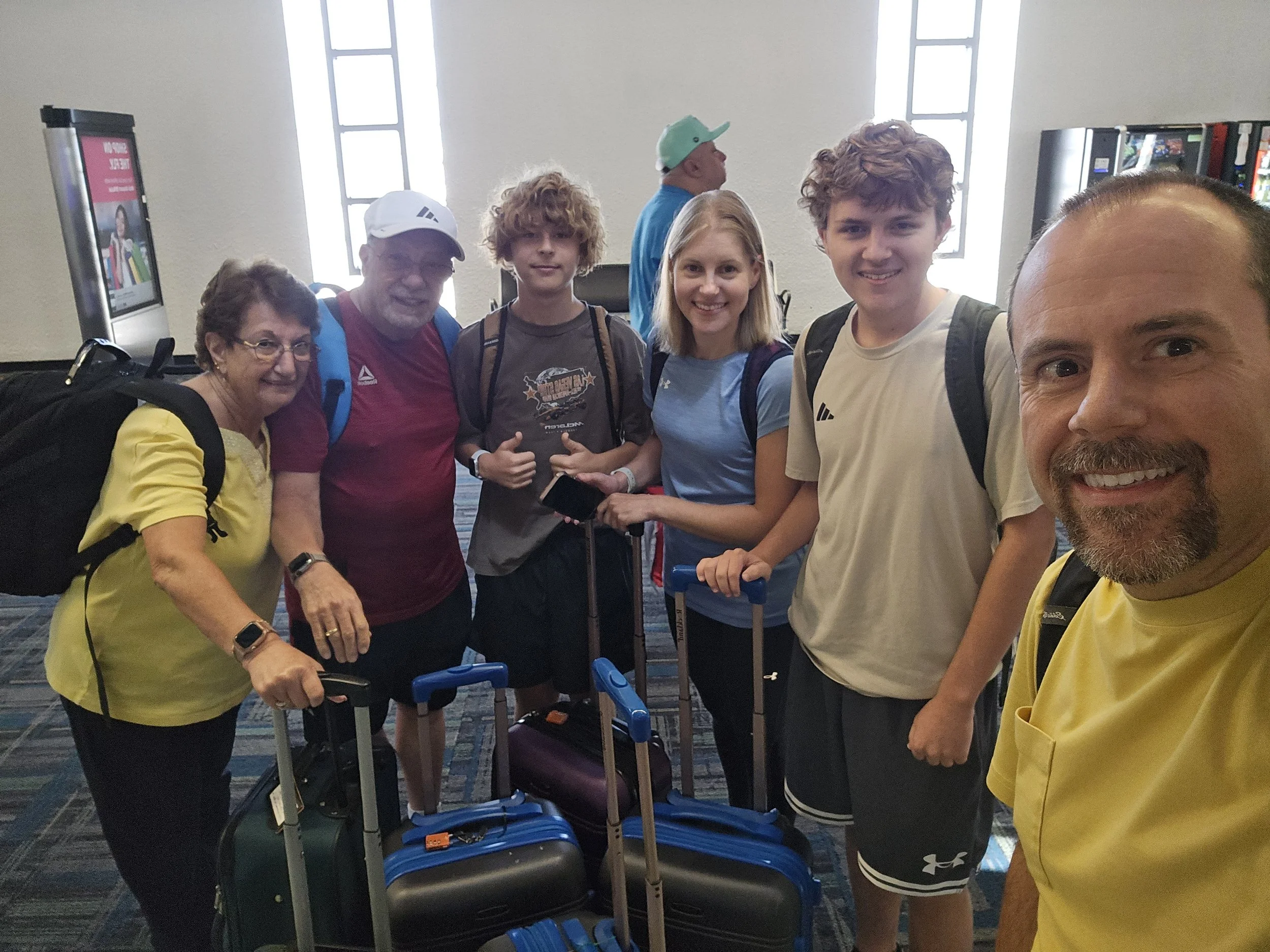
Before we’d left for our trip, he begged me to pack lighter. I tried. But we had two large bags and four carry-ons. And throughout Europe, the large bags caused stress and inconvenience at every turn. We dealt with extra fees, awkward staircases, narrow corridors, and more than a few frustrated looks from strangers.
Here's what that trip taught us, and what we now tell every client before they pack.
Reasons to Pack Light in Europe
Getting Around
European trains are smaller and more complex to navigate than most travelers expect. You need to find the correct train car (sometimes with little time to spare), stow your bags quickly, and move efficiently through tight corridors and narrow staircases. There’s also no assistance with luggage on trains, so keep that in mind. Smaller luggage makes all of this dramatically easier.
Budget trains in Europe add another wrinkle, as many have strict rules regarding the size of your bag. There may be extra fees for additional (over the limit) or oversized bags.
The same logic applies to flying. Most airlines now charge extra for checked bags, and those fees add up fast. Keeping everything in a carry-on will save money while skipping baggage claim entirely.
Ground transportation is another consideration. Depending on the size of your group, large or multiple suitcases may mean splitting up between taxis or Ubers — an added hassle and expense that's easily avoided.
Accommodations
Hotel rooms and cruise cabins in Europe tend to run small. When the bed nearly touches all four walls, a large suitcase stops being luggage and starts being an obstacle.
If you arrive before check-in, many hotels will store your luggage, but space is often limited. Larger suitcases may be declined or come with restrictions. If your hotel can’t hold your bags, nearby Left Luggage facilities (luggage storage services) are usually available, though larger bags often cost more, and availability may be limited. Traveling with fewer, smaller bags gives you far more flexibility in either situation.
It’s also important not to assume there will be an elevator. Many European hotels, especially older or boutique properties, are walk-up only. Staircases are often narrow, steep, and winding, making it difficult to carry large or heavy luggage. Even when elevators are available, they can be surprisingly small and may only fit one person and a small bag.
Room layouts can add another layer of challenge. Tight doorways, narrow hallways, and limited floor space can make it difficult to fully open a large suitcase, meaning you may be living out of a partially unzipped bag for your stay.
The Cobblestone Problem
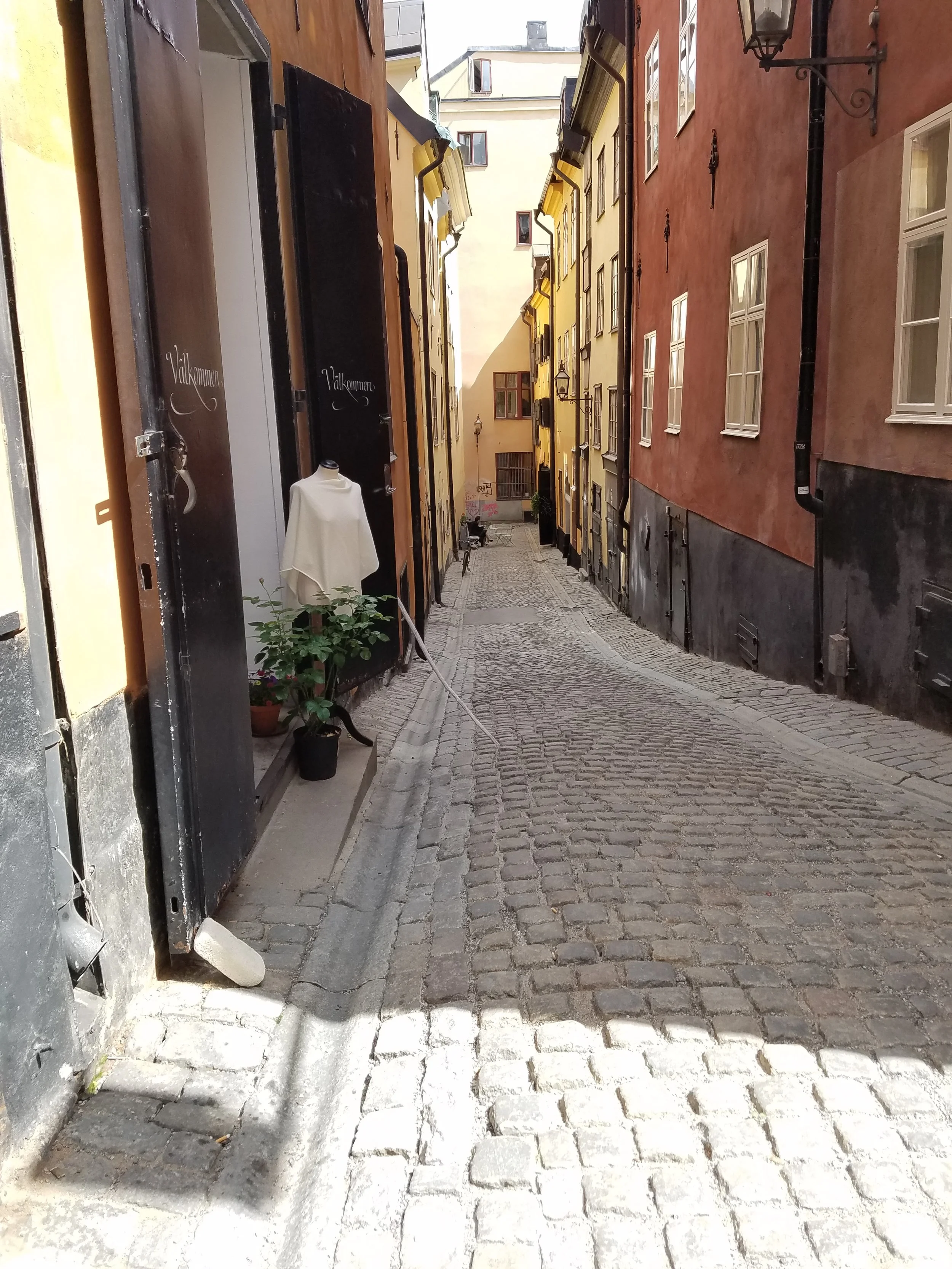
Cobblestone streets may look charming in photos, but they are much less appealing when you are dragging a heavy suitcase across them. Add in narrow alleyways, steep staircases, uneven pathways, and stretches with no sidewalk at all. These are all common terrains across European cities, and large luggage stops being an inconvenience and becomes a genuine obstacle.
In many European cities, hills are just part of the landscape, and that can make getting around even harder.
Group Travel
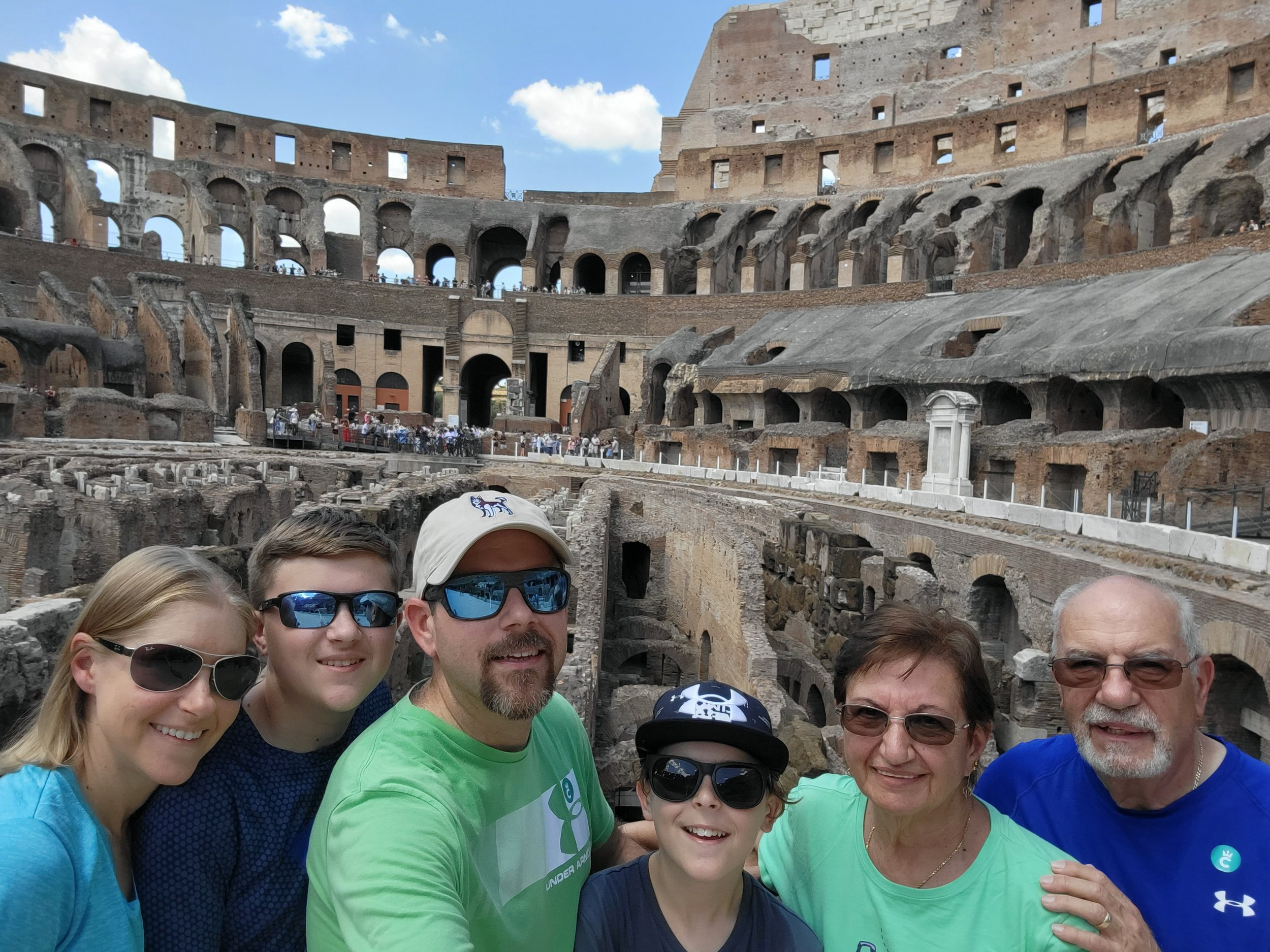
Traveling with others adds another layer of complexity, especially when not everyone in your group can manage a heavy bag equally. On a trip to Italy, my husband ended up hauling two large suitcases up an enormous staircase because his parents simply couldn’t manage theirs alone. It wasn’t anyone's fault, but it was a predictable consequence of overpacking. When one person’s bag becomes everyone’s problem, it changes the dynamic of the whole trip. Keeping bags light and manageable means everyone stays independent, and no one ends up dreading the next set of stairs.
Luggage doesn’t have to be a source of stress, extra fees, or sore muscles, and after years of doing it the hard way, I can tell you the difference is significant. When your bag is light enough to lift without thinking, you stop dreading the thought of moving your luggage around Europe and start actually looking at where you are. That’s the whole point of the trip.
What you pack depends a lot on the itinerary itself, how many port days, how much walking, and how much time you'll spend outdoors. Our La Dolce itinerary includes a full packing and luggage strategy, one bag per person, built around exactly this kind of trip.


Would you believe the average American packs three times as much as they actually wear? Discover the mindset shifts, fabric choices, and packing hacks we use to fit two weeks of European travel into one carry-on each.