

Pack Less, See More: How to Travel Lighter in Europe
Would you believe it if I said the average American packs about three times as many clothes as they actually wear on a trip?
It’s true. Studies and travel surveys have found that most travelers use only about one-third of what they pack, which means the rest just rides around in the suitcase the whole time.
In the U.S., we tend to default to a checked bag rather than challenging ourselves to carry on only, which can make overpacking feel "free”. That illusion disappears as soon as we realize the airline charges $35–$70 per checked bag, and by then, it's usually too late to do anything different.
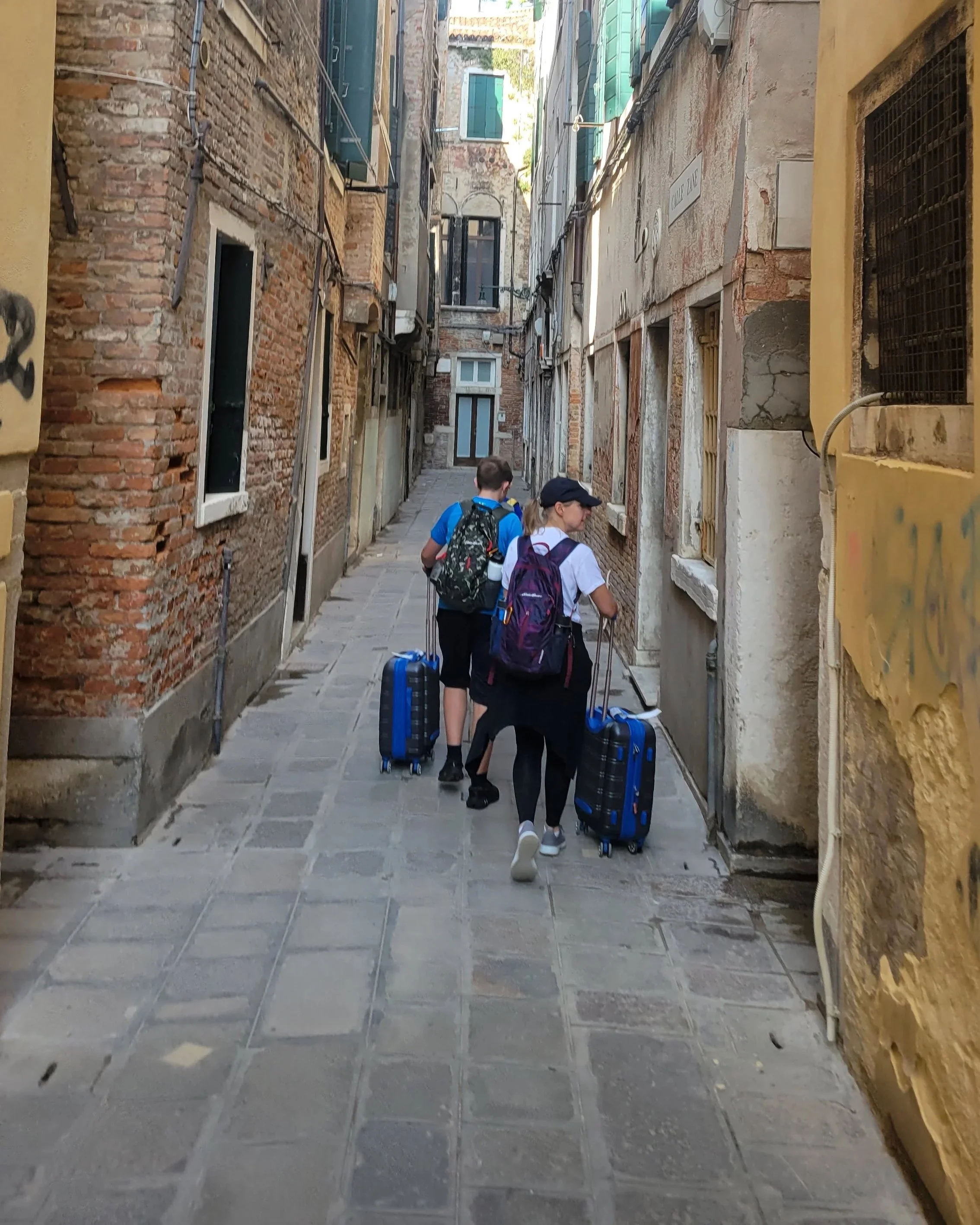
This is especially true in Europe, where large suitcases quickly become stressful on trains, cobblestone streets, cruise terminals, and stair-heavy hotels.
Now, recognizing the habit is one thing, but breaking it is another.
So, where do you actually start?
It begins with one simple mindset shift: stop packing for "just in case" and start packing for what you know you'll actually use. The truth is, most of us pack for a version of the trip that never happens — the surprise formal dinner, the unexpected cold snap, the beach day that doesn't materialize. Meanwhile, the same few outfits carry us through almost every day. Once you accept that, everything else gets easier.
There’s also a misconception that we need an overflowing suitcase to have options. But most of us wear the same handful of outfits at home anyway, so travel doesn’t need to be any different.
Practical Tips
If you tend to overpack, here are several practical tips to help.
Plan to do laundry at least once during your trip. Cruise ships and many hotels offer laundry service, and if you're comfortable, you can handwash quick-drying clothing. Clothes will dry more effectively when you roll them up in a towel to get more water out.
The type of fabric you choose also makes a big difference. Merino wool is an excellent travel fabric because it’s comfortable, lightweight, and easy to wash and dry. You can also wear it multiple times between washings. Merino wool can be expensive upfront, but if you travel frequently, it’s worth the investment. Another great option is performance wear, which also washes and dries fast.
Neutral colors are another great choice since they mix and match so well. Bright colors are nice, but when you're trying to travel with less, neutrals give you more flexibility in outfit combinations, which means less clothing to pack.
Try the 5-4-3-2-1 packing method. It means packing 5 pairs of underwear, 4 shirts, 3 pairs of bottoms, 2 pairs of shoes, and 1 jacket. For longer trips, I usually pack more than five pairs of underwear and plan to do laundry once most of them are dirty.
Packing cubes are one of the most recommended travel products out there, but honestly, they didn’t work for me. I found them to be too rigid for constantly moving through Europe, and surprisingly, they didn’t seem to save much space either. But packing styles are personal, and the best system is the one that makes travel feel simpler for you.
Pack layers that will give you flexibility without the bulk — like cardigans and long-sleeve shirts. Temperatures can shift quickly throughout the day in Europe, so lightweight layers make it easier to stay comfortable without overpacking.
Wear your bulkiest items on your travel days. Bulky shoes, jackets, and sweatshirts take up a lot of space in your suitcase, so wearing them instead of packing them frees up room.
For shoes, you may only need one good pair of walking shoes and one slightly dressier pair. Choose versatile styles that can work for both sightseeing and casual dinners, and you'll be able to travel lighter without sacrificing comfort. When traveling to Europe, leave the bulky shoes and heels at home since cobblestone streets will wear you out fast in the wrong footwear.
Think Differently and Lighter
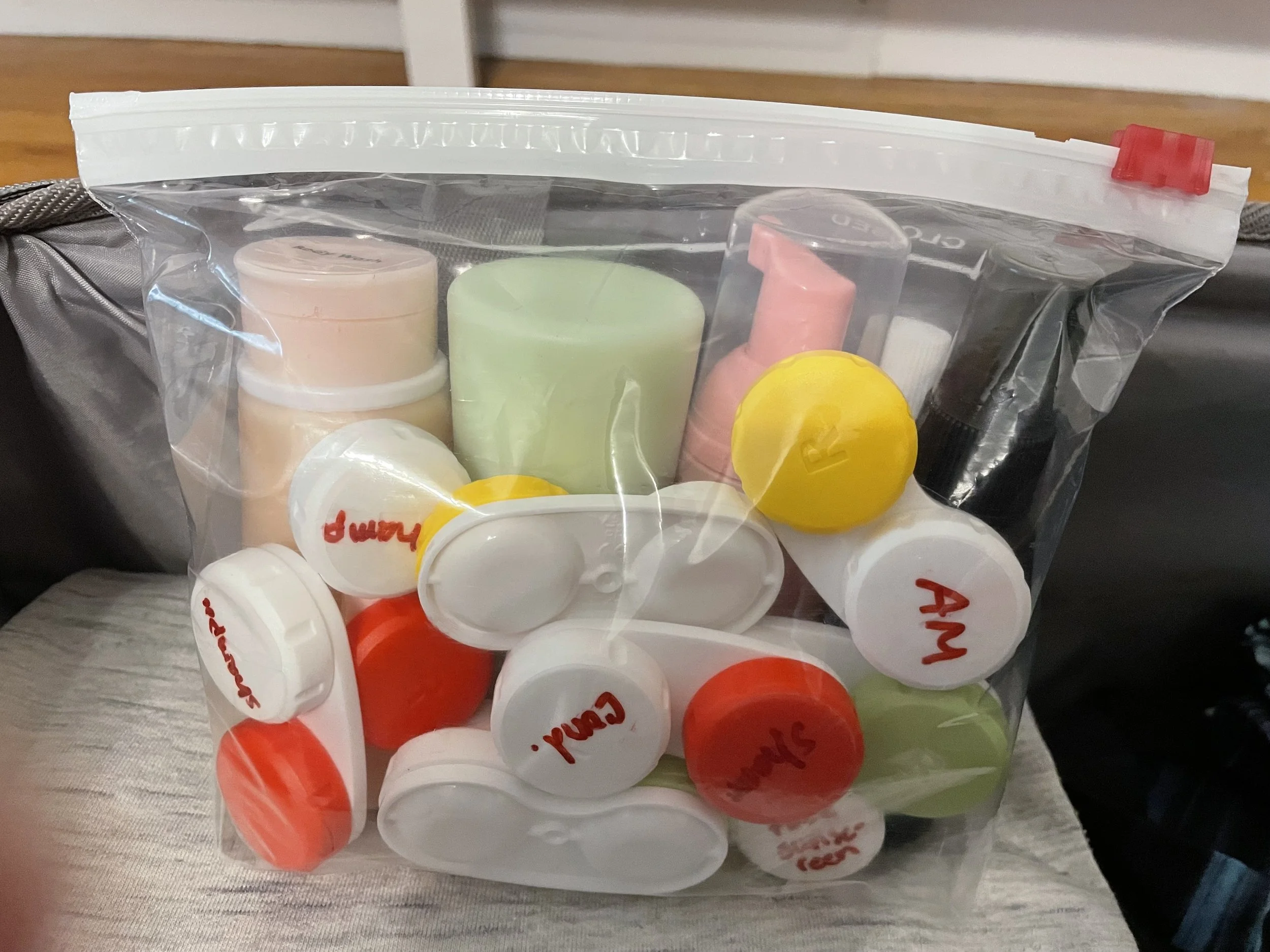
The ultimate space-saving travel hack for Europe
Contact lens cases are a game-changer for small amounts of product. They are leakproof and hold the perfect amount of moisturizer, liquid foundation, or night cream for a two-week trip. Label them with a marker, and they take up a fraction of the space of even a travel-sized bottle.
Rethink what you actually need for toiletries. Can you share any products, like shampoo, body wash, or sunscreen, with another family member? You might also consider solid options, which are becoming more popular, like shampoo and conditioner bars. Both are ideal for carry-on travel.
For bulkier items, like sunscreen, you could purchase them upon arrival at your destination. Also, think of things, like aloe vera, that you will only need in case of a sunburn. That may not happen, so instead of packing it, could you buy it if that happens? Many European pharmacies are well stocked, so you can confidently leave these items at home.
Start small — even one change makes a difference.
At the end of the day, no one comes home from Europe wishing they had packed more. They come home with tons of photos, tired feet, and stories they'll tell for years. The luggage? Nobody remembers it. Pack less, wander more, and let the trip be the thing that weighs on you — in the best possible way.
What you pack depends a lot on the itinerary itself, how many port days, how much walking, and how much time you'll spend outdoors. Our La Dolce itinerary includes a full packing and luggage strategy, one bag per person, built around exactly this kind of trip.



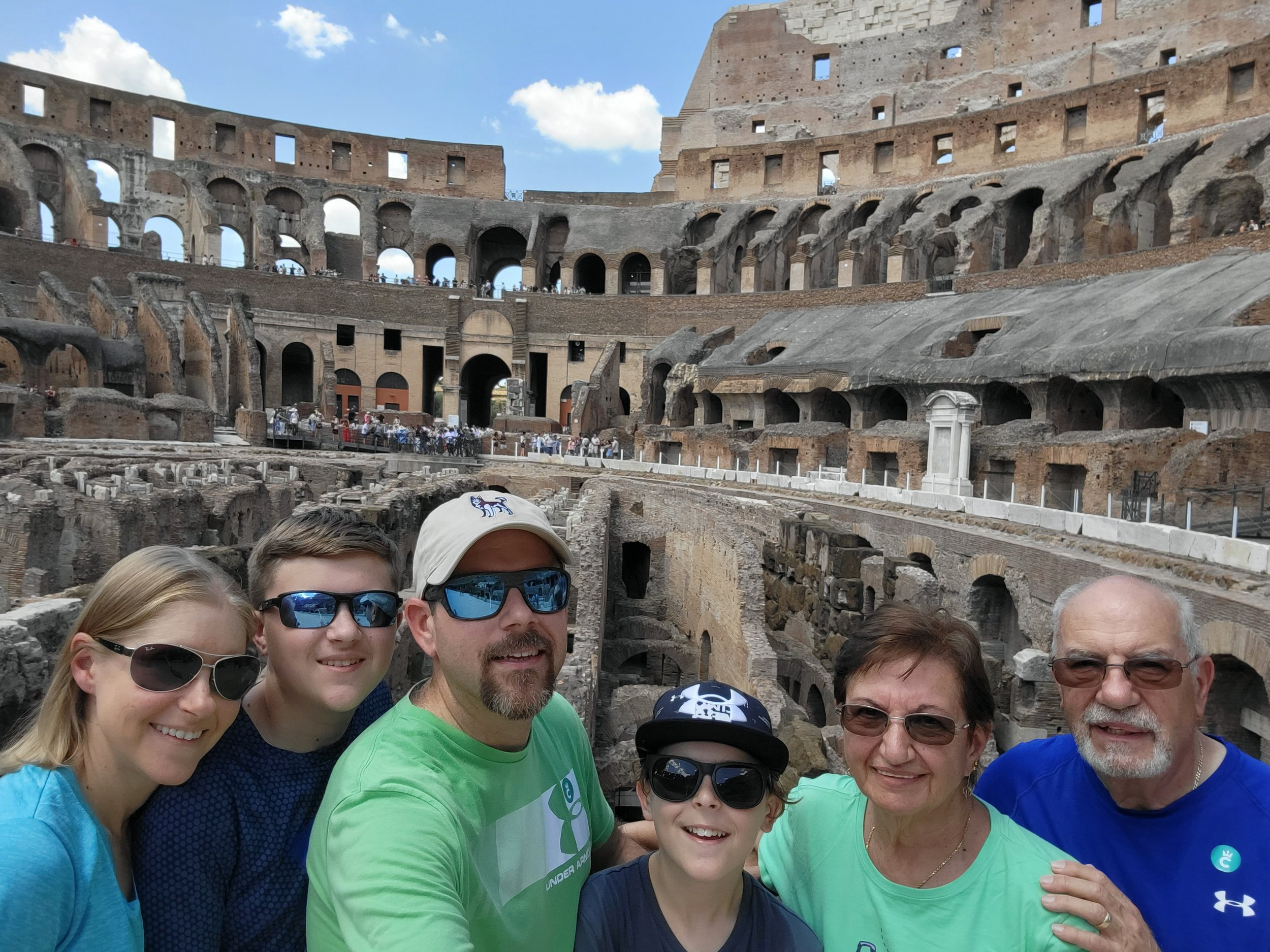
Would you believe the average American packs three times as much as they actually wear? Discover the mindset shifts, fabric choices, and packing hacks we use to fit two weeks of European travel into one carry-on each.