
Why Fall May Be a Better Season for a Multi-Generational Trip to Italy
Summer may feel like the obvious choice for a European vacation, and for a long time it was ours too. We have taken four trips to Europe with our family, and all four landed in the middle of summer. Two were in the Nordic region; the other two were in southern Europe, where the heat is most intense.
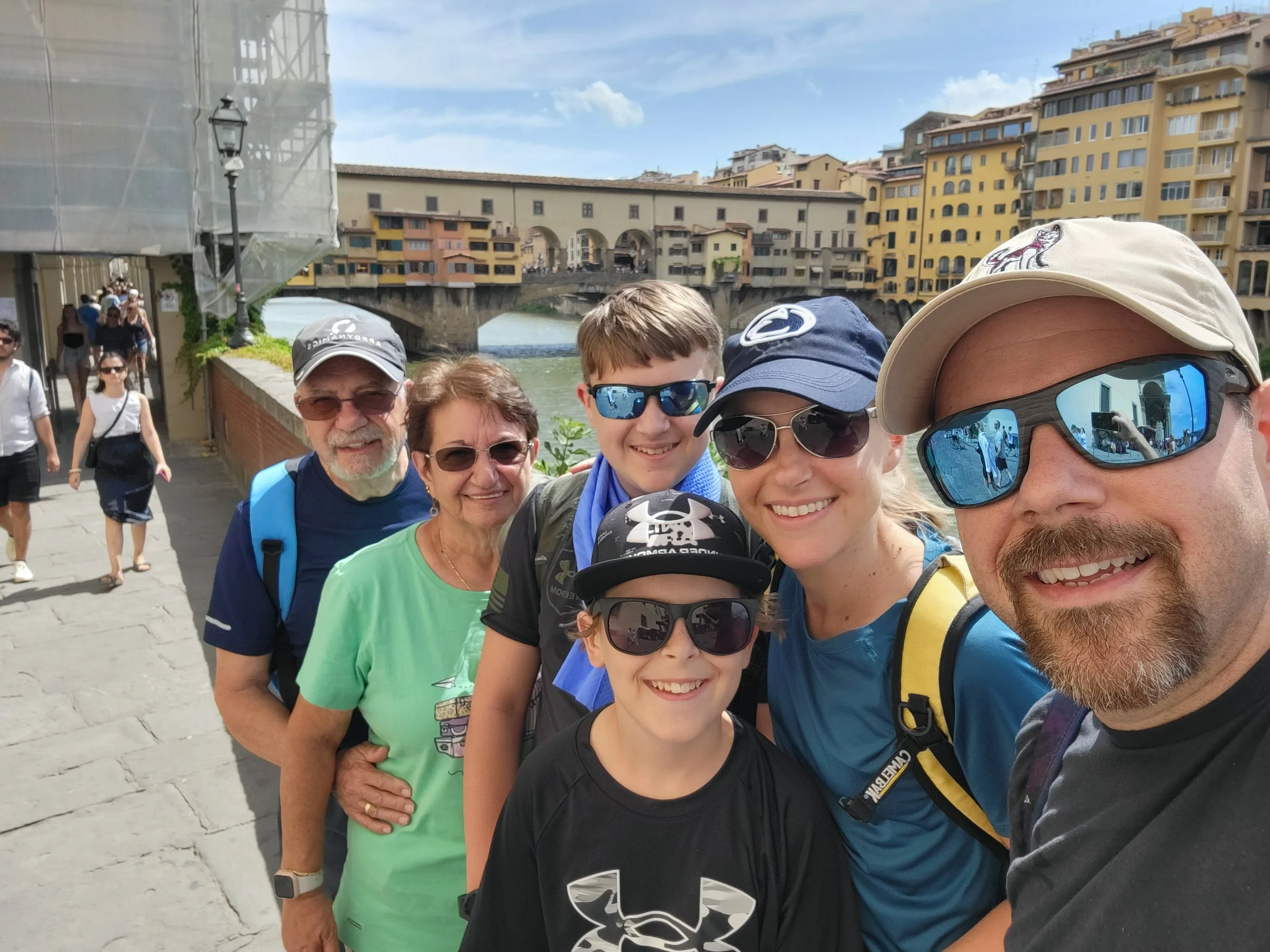
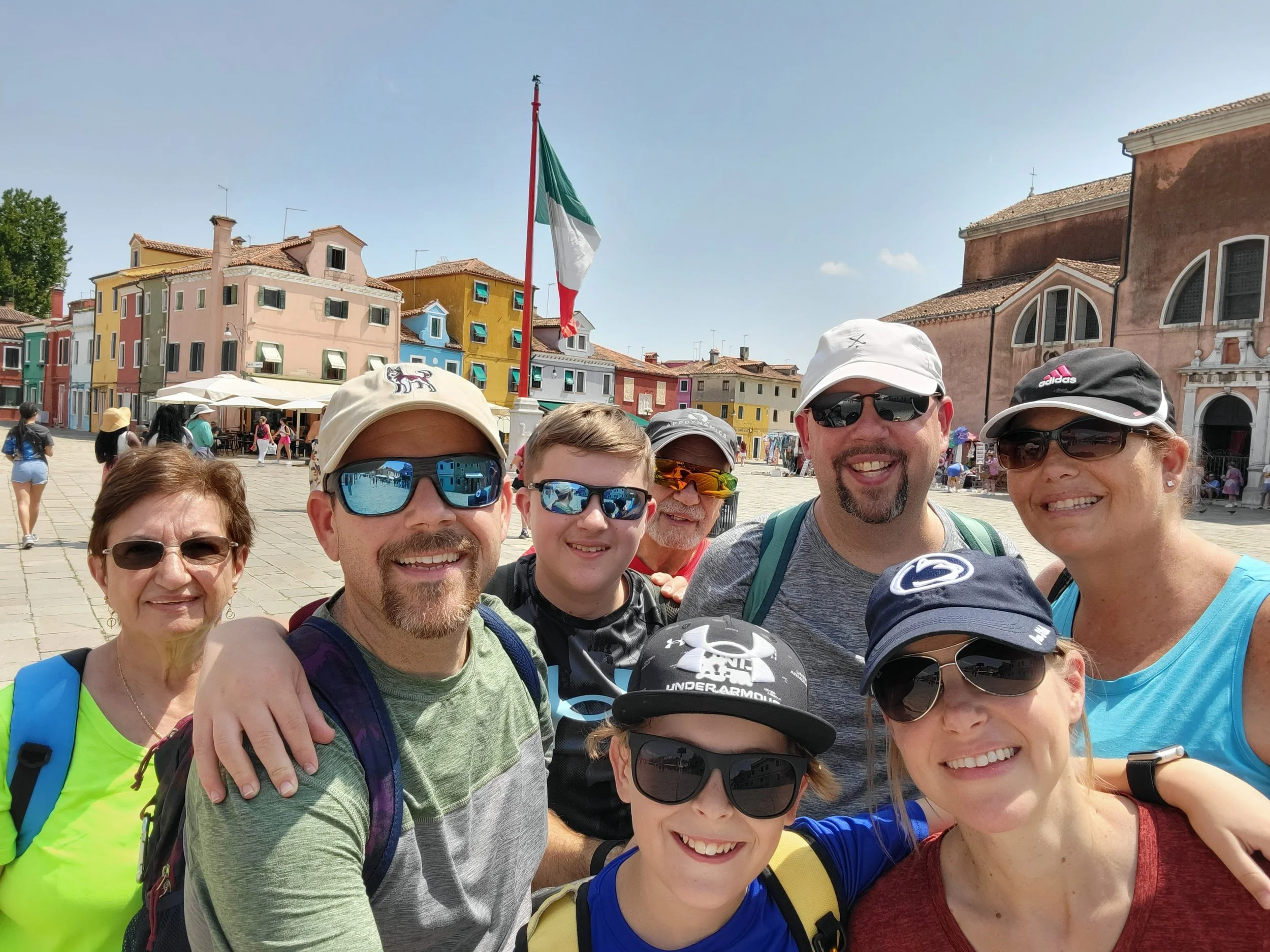
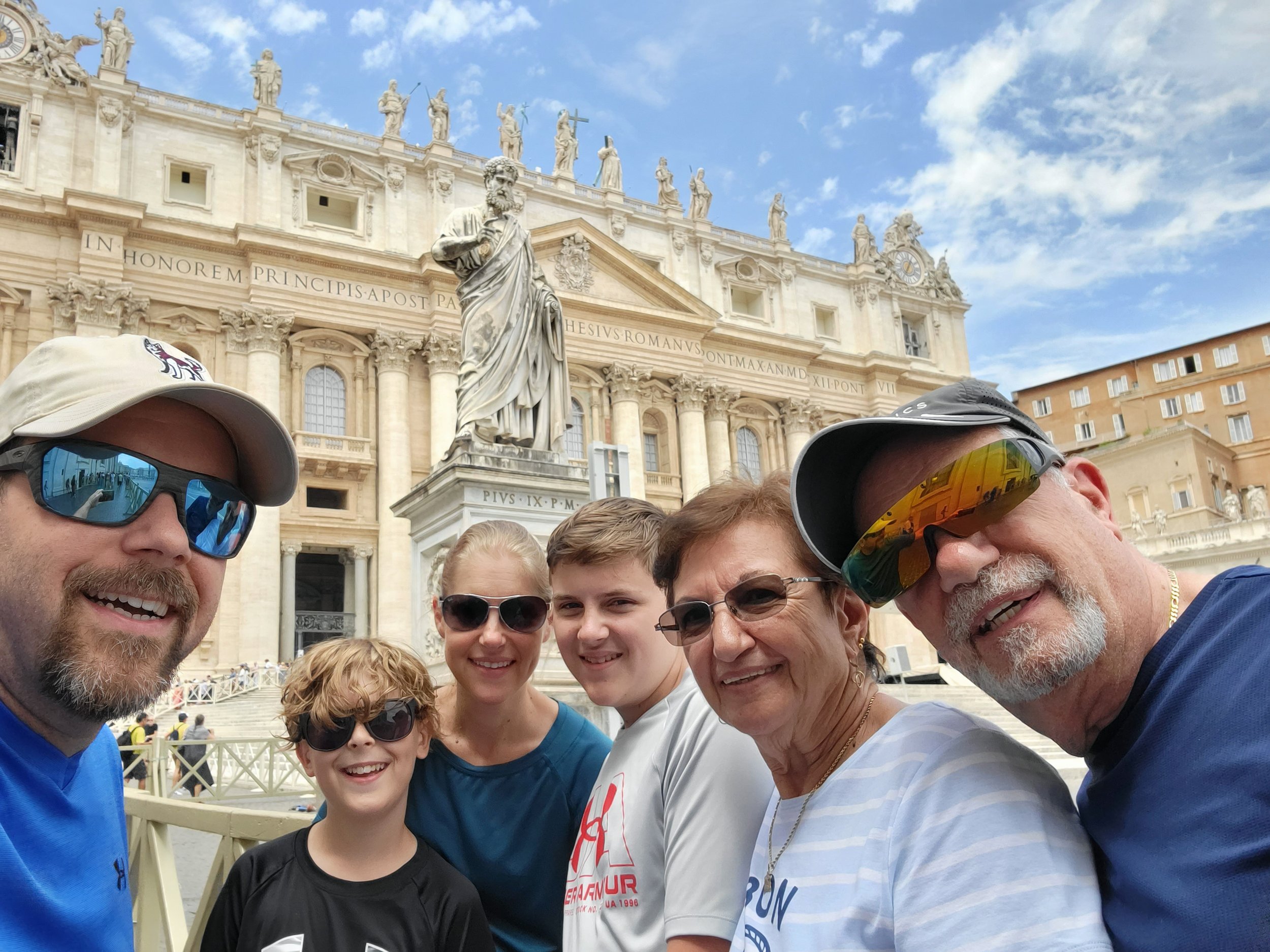
On one of those trips through Italy, Greece, and Turkey with three generations, grandparents down to grandkids, we packed cooling towels to keep everyone's body temperature down. In Italy, we ended up building afternoon breaks into the schedule, not because we wanted to, but because the heat and the lines at that point in the day made it the only thing that kept everyone comfortable.
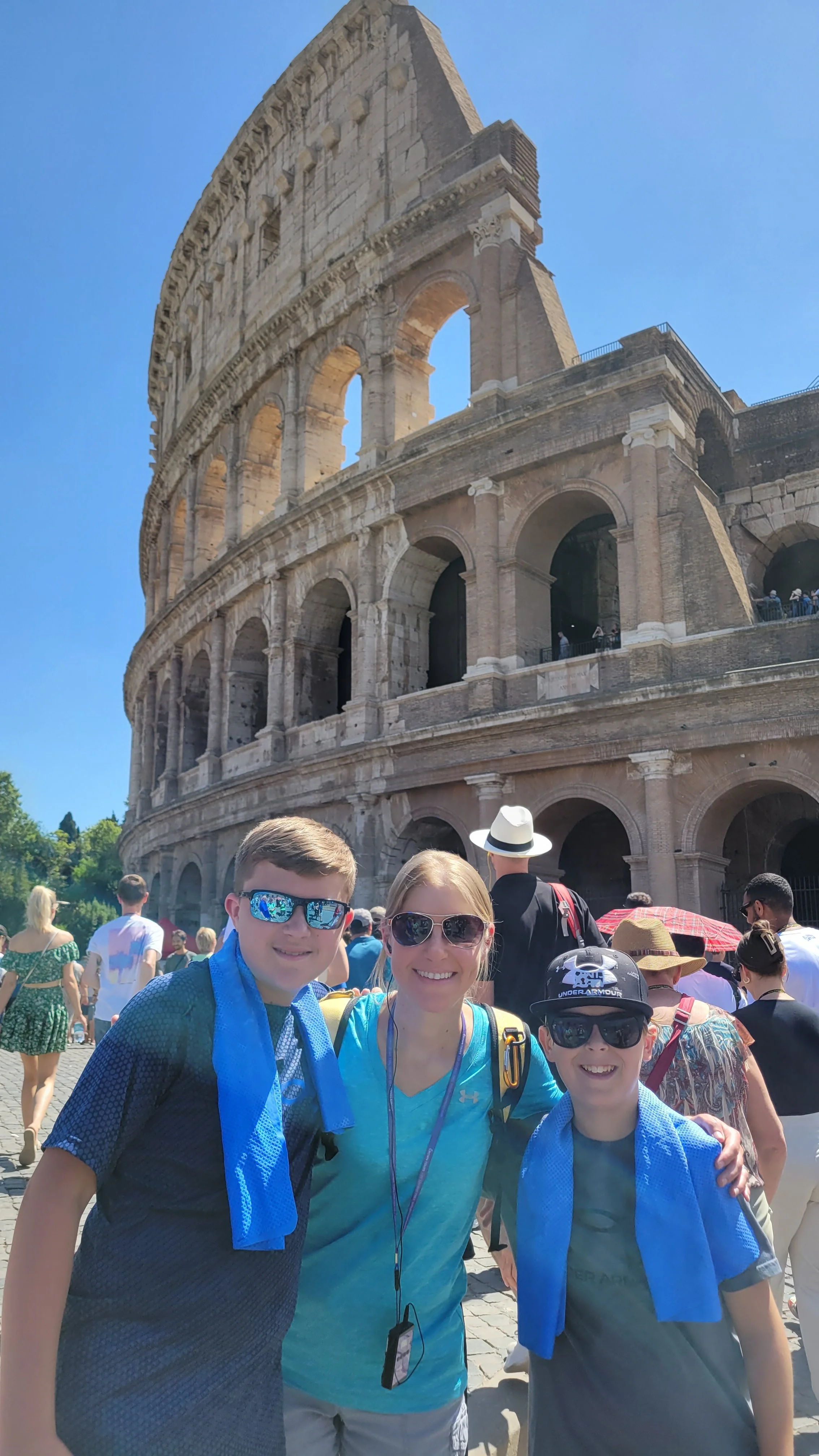
The boys kept their cooling towels on through the Colosseum, on a hot July afternoon in Rome. It's part of why we now build Fall into how we plan trips through southern Europe.
That trip taught us something we now build into how we plan: the time of year we travel matters as much as where we go, especially with three generations sharing one itinerary.
There is a simpler way to see Italy, and southern Europe more broadly, without those tradeoffs. Go in the fall.
In October and November, lines at major sites are shorter, the tourist population has thinned out, and prices at family-run restaurants and hotels aren't carrying the summer markup. The temperature drop is the piece that changes the trip the most for a group spanning generations. When it's fifteen or twenty degrees cooler, grandparents can stand in a line longer, kids can walk farther before they're done for the day, and the whole group's tolerance for a full day out stretches further. On a family trip, the day doesn't end when the most enthusiastic person is ready to stop. It ends when the group as a whole runs out of steam. Cooler weather pushes that point later, for everyone.
This matters more for multi-generational groups than it does for a couple or a solo traveler, because everyone in the group has a different baseline for what makes a good day. A twenty-five-year-old and a seventy-five-year-old don't have the same tolerance for standing in the Mediterranean sun for an hour. Shoulder season narrows that gap instead of forcing one generation to push past their limit or another to sit out.
Planning ahead
We generally recommend planning at least a full year out for a trip like this. That lead time helps you book lodging options before availability tightens closer to the date. It also gives you room to build an itinerary the way you want your European adventure to go, and to line up guides you want to work with, rather than working around who’s left. A longer planning window means more flexibility, not last-minute decisions that don't work well for a trip like this.
If your family has only ever pictured a summer trip to Italy, it might be worth picturing a fall one instead. Cooler air, thinner crowds, and a calmer pace. For a family spanning three generations, that shift can be the difference between a trip everyone endures and one everyone actually enjoys.