
Tired of the Planning Prep? 5 Ways to Save Time (and Sanity) on Your Next Big Family Trip
When you’re exhausted from balancing a relentless job and demanding kids, it probably feels like you never get a single minute to yourself.
But at the end of the day, you still want that epic vacation with your family. The one that includes those demanding kids and their grandparents.
However, the mere thought of opening another browser tab for flight schedules or hotel reviews makes you want to lose. your. mind.
Here’s the reality: We all know we get the same 24 hours in a day, but when you add “plan a European cruise with pre- and post-land days” to your regular to-do list, any free time you may have had just vanishes.
Aren’t vacations supposed to be the antidote to burnout, not the cause of it?
To help bring order to the vacation-planning chaos, we can actually apply some classic time-management principles to how we plan travel. Here is how to use smart time strategy to plan your dream European getaway, and how to reclaim peace of mind before you even pack a bag.
Identify Your Group’s “Rocks” First
Think of your vacation planning like a jar. If you fill it with sand first, the big rocks won’t fit.
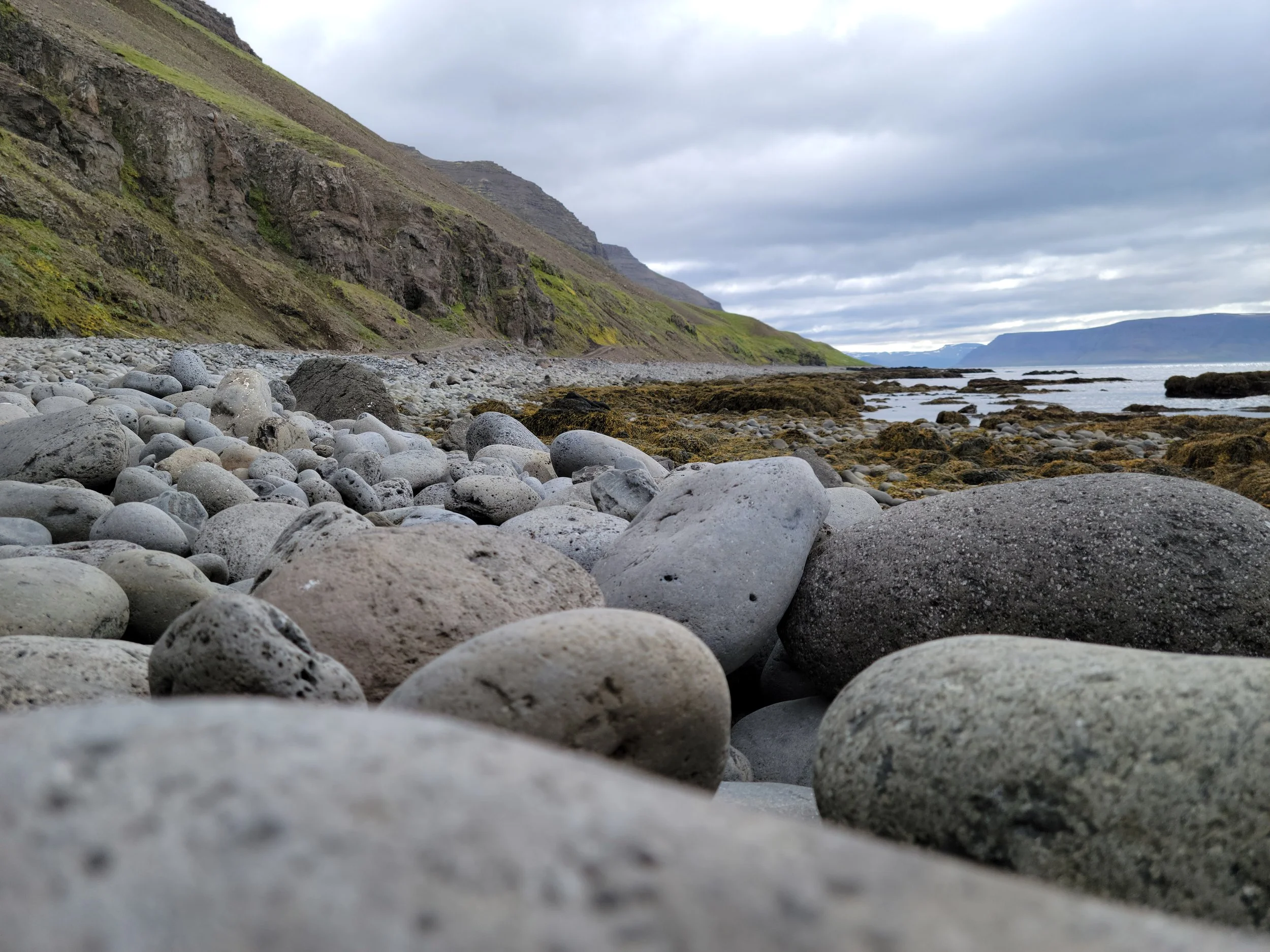
Actual European rocks and pebbles from our travels — much prettier than the logistical "sand" of travel planning!
When planning a multi-generational trip, your Rocks are your big, non-negotiable goals, like cruising the Mediterranean so Grandma only has to unpack once, or spending three days in Rome so the kids can see the Colosseum.
Your Pebbles are the flexible group activities (like a shared cooking class). Your Sand is the infinite logistical drag – train tickets, private transfers, and museum timed-entry slots. If you get bogged down trying to sort out the sand before you lock in your big rocks and pebbles, you’ll burn out before you ever book a flight.
Establish Your Daily Time Blocks
Before you look up a single flight or hotel, you need to budget the actual time your group has available. When traveling with ages 7 to 77, everyone has a different pace. Grandparents might want slower, more relaxed mornings, while a 7-year-old peaks at 9:00 AM and crashes by three in the afternoon.
Sit down with a blank calendar page and map out these daily realities first. Decide ahead of time: Are we aiming for one major activity a day, or two? How will mandatory downtime happen? By budgeting these time blocks on paper before you begin researching, you won’t waste hours vetting 8-hour intense tours of Rome that your group could never actually do.
Batch Your Decisions
One of the biggest time-wasters in travel planning is decision fatigue – switching back and forth between flights, hotels, and excursions. Instead, batch your tasks. Focus on the rocks, then move on to the pebbles, and end with the sand. Dedicate one night to focus only on land accommodations in a particular city. The next week, focus one night only on looking at flights. By focusing on one specific piece of the puzzle at a time, you’ll make decisions faster and avoid the scattered, chaotic feeling of trying to solve the whole trip at once.
Rely on the Right Organization Tools
Just like you use Google Calendar to keep a busy family schedule on track at home, a complex European itinerary requires a central source of truth. Group text chains are where good travel plans go to die. Use digital tools to store confirmation numbers, hotel addresses, and ship boarding passes so that anyone can access them at a moment’s notice.
That said, always back up the digital with physical. Make sure you have hard copies of your essential documents, tucked safely into your daypack. On one of our trips, Rich accidentally dropped his phone into a lake. It was eventually recoverable, but because this was before the days of waterproof tech, the phone was out of commission for over 24 hours while it dried. It would have been an absolute logistical nightmare if we hadn’t had physical backups ready to go.
Consider Outsourcing the Logistics
The absolute best time-management tip is simple: You don’t have to do it all yourself.
At home, you delegate chores to the kids or share a calendar with your spouse to keep from burning out. When it comes to a major European cruise paired with a complex land vacation, delegating the “sand” and “pebbles” to a professional travel advisor is the ultimate time-saving strategy.
A professional can handle the endless coordination of transfers, central hotel bookings, and tight train schedules. It allows you to completely step away from the logistical drag so you can focus entirely on the big picture.
Vacations are supposed to be the antidote to burnout, not the cause of it. Whether you choose to tackle the puzzle yourself using smart time blocks or hand the logistics over to an expert, remember to protect your own sanity in the process. Give yourself the time to plan smart, and focus on what really matters — making memories with the people you love.
If this sounds like your group, let's talk about the trip.
A 25-minute call, no pitch. We'll ask who's traveling, what you're hoping for, and whether we're the right fit to plan it.