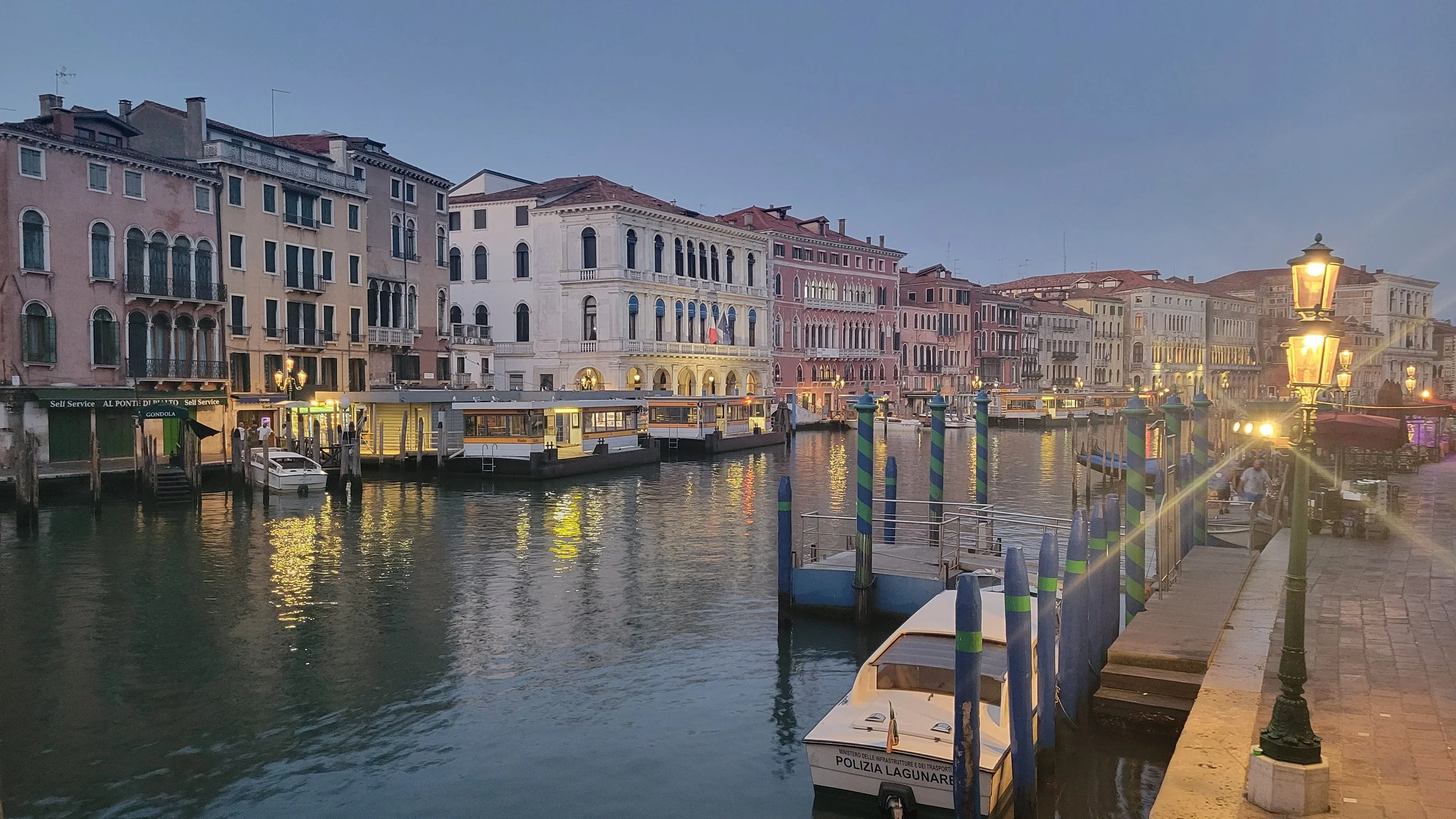
The Trip We Planned for Over a Year (And What Happened Anyway)
We were two days from the end of our cruise (which also meant two days from Paris), where 9:30 PM tickets to the top of the Eiffel Tower were waiting for us.
But when we pulled into Amsterdam, our phones reconnected, and the email came through: our Eiffel Tower tickets were gone, canceled because Paris Saint-Germain had made the FIFA Club World Cup final, and Paris was shutting down the tower on the night of our tickets.
That left us two port days to figure out what came next.
The Tickets We'd Been Watching For
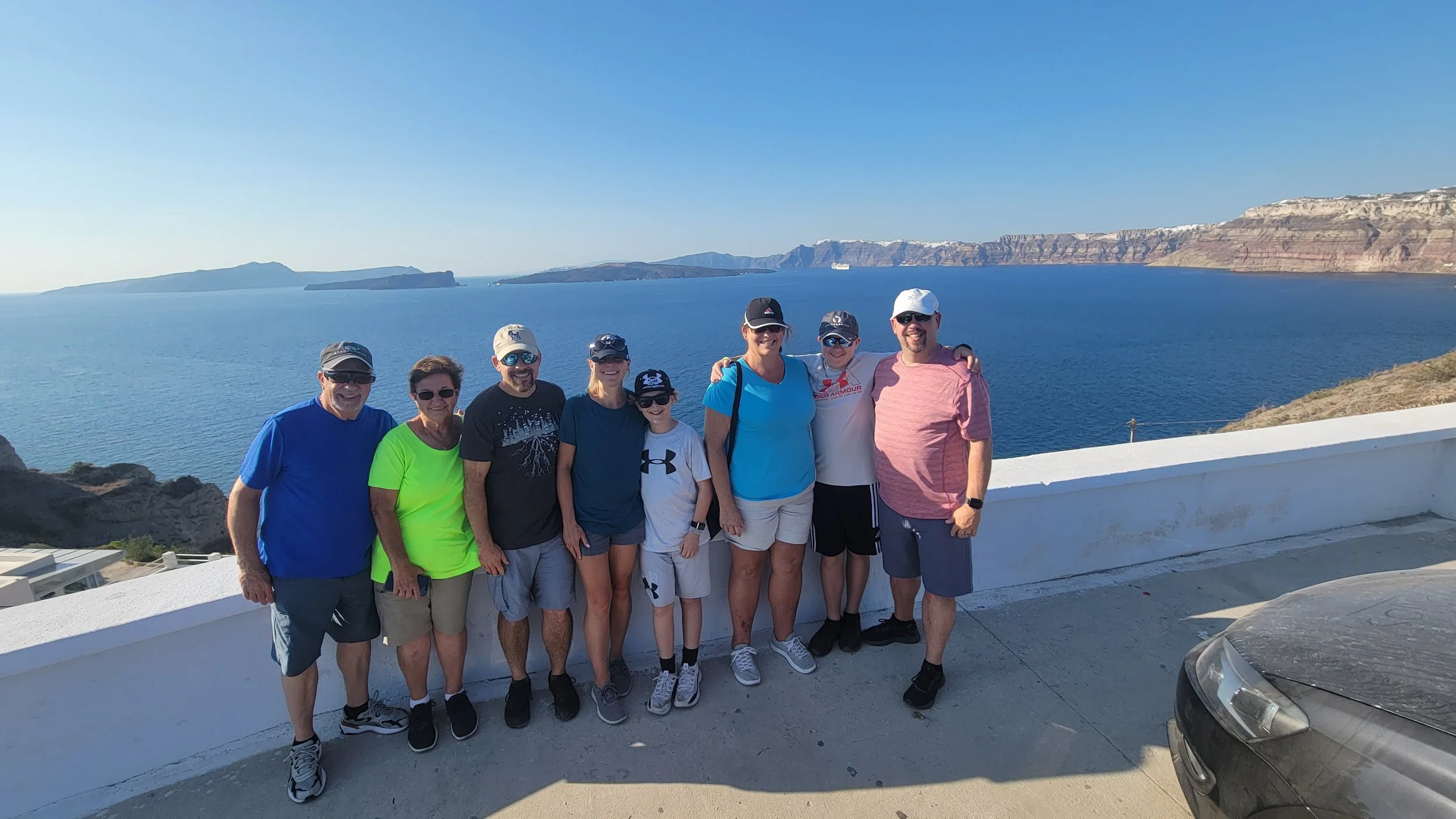
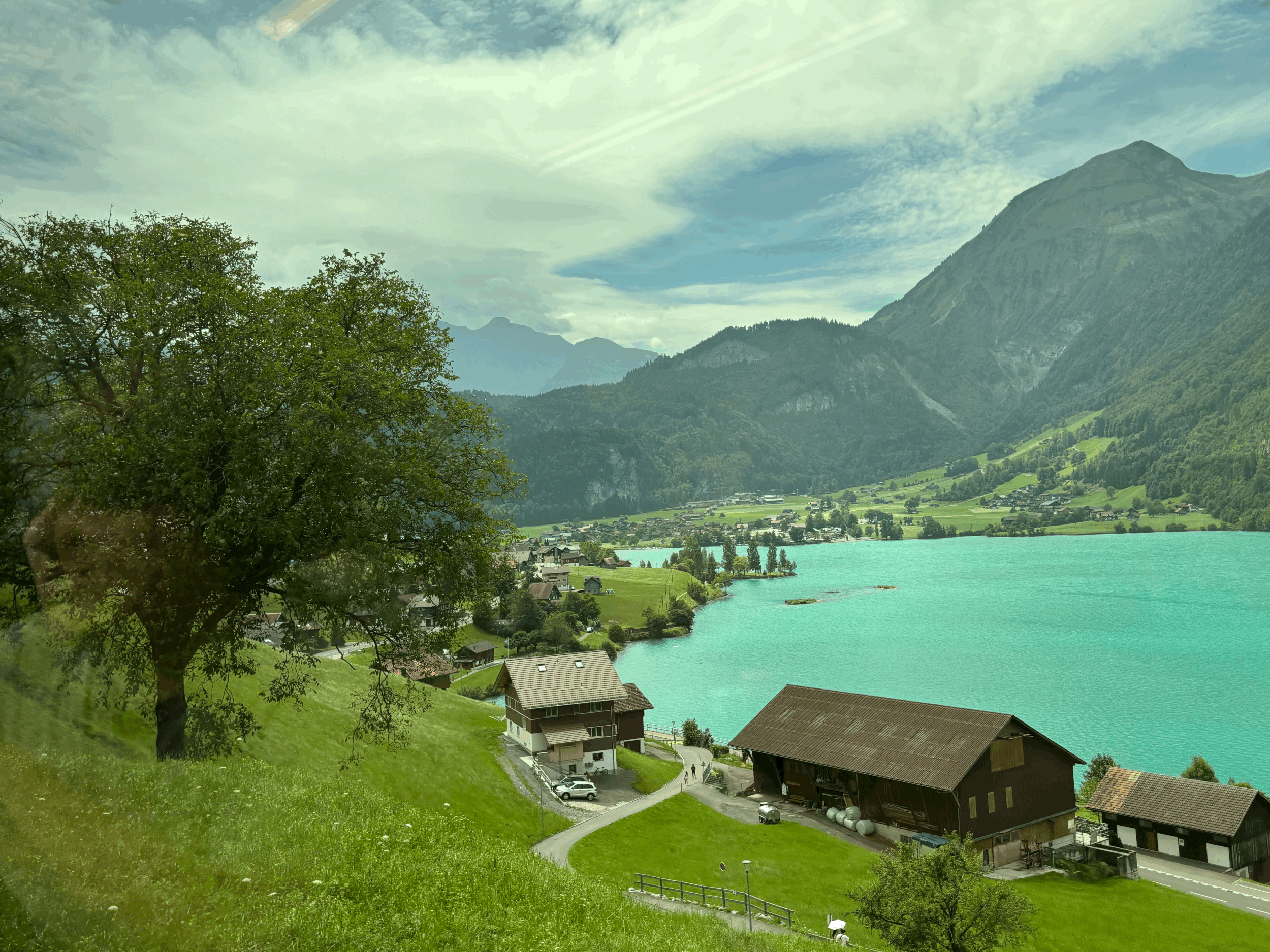
The Eiffel Tower at night was one of the first things on our list when we started planning our 21-day trip across six countries: three days in Lisbon, a nine-day Northern Europe cruise through Portugal, Spain, France, the Netherlands, and Belgium, then a train from Le Havre to Paris for three days, finishing with six days in the Swiss Alps in Grindelwald. Two families, eight people total, four adults and four teenagers.
We'd been watching for those Eiffel Tower tickets before they even went on sale. The moment they did, we had them: 9:30 PM tickets for all eight of us on our first night in Paris.
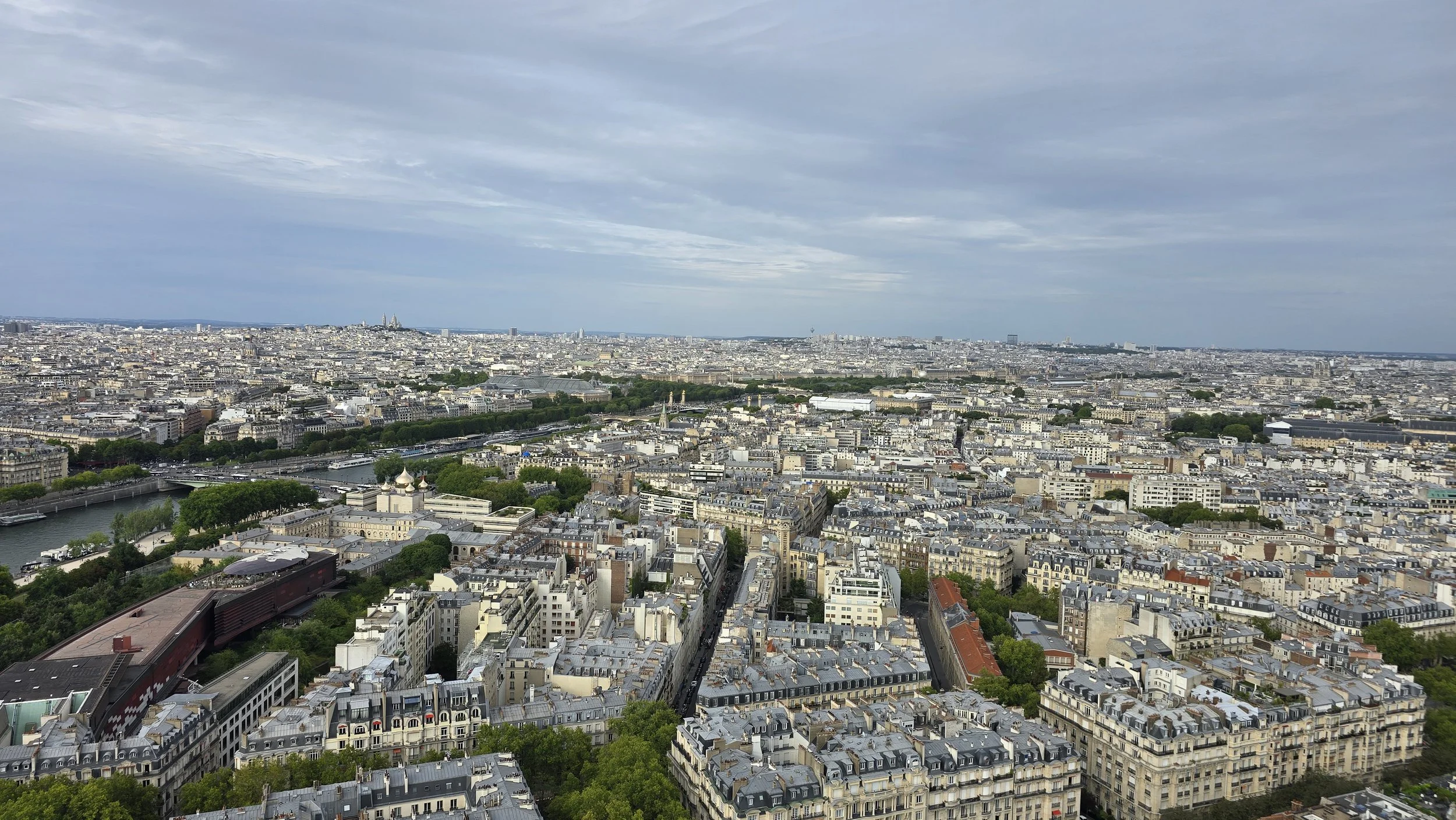
Finding out on a port day in Amsterdam that those tickets were gone meant rebuilding part of the Paris plan with Belgium still ahead of us and two days before we'd even set foot in the city. By the time we worked through the options, elevator access to the lower platform was already fully booked. We ended up walking up the stairs to the lower platform, two days later than planned.
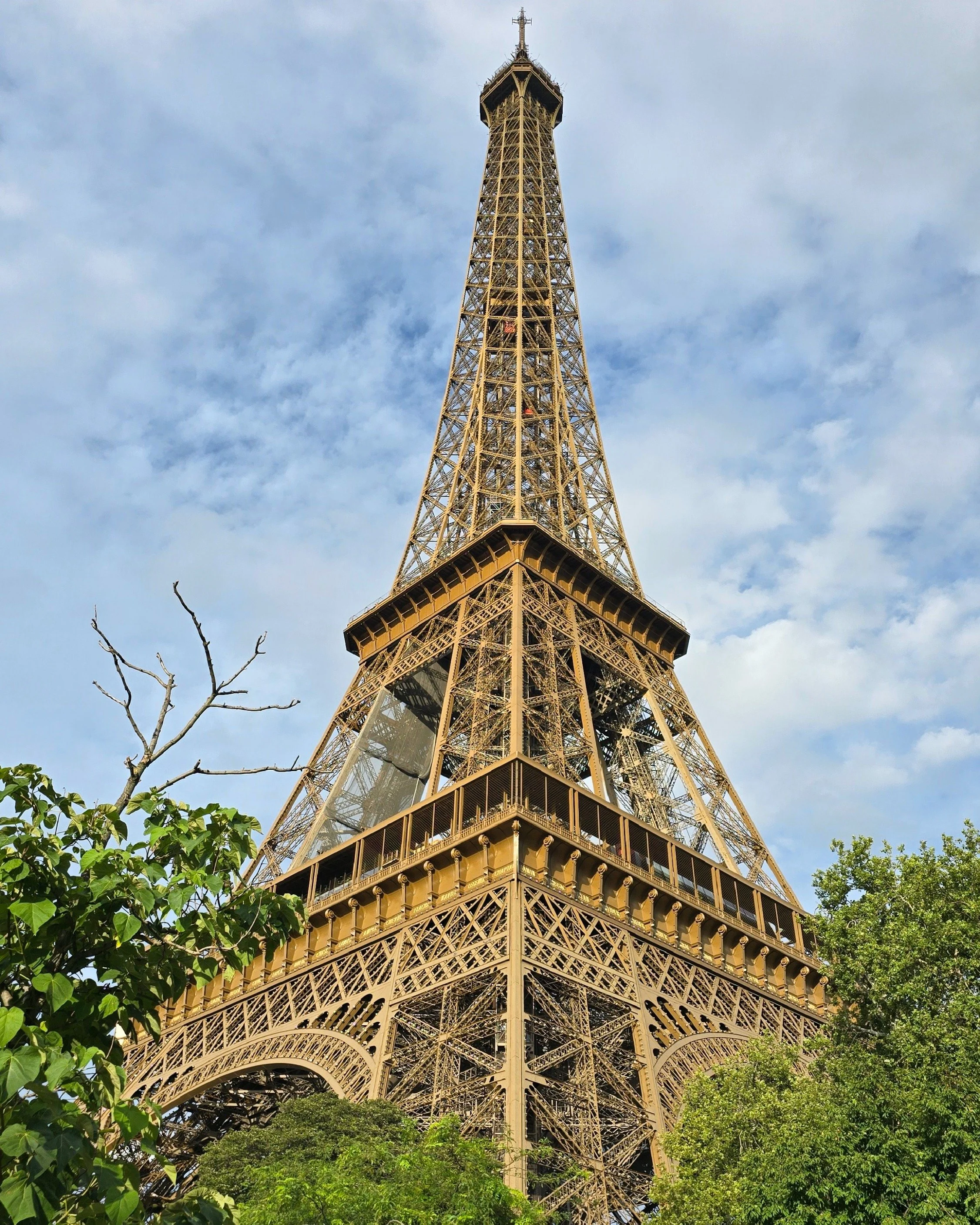
The view at the top of the Eiffel Tower would have been remarkable. But you don't always get what you planned for when traveling.
We made the best of it. But the experience we'd been looking forward to for over a year was gone.
Why the Trip Didn't Fall Apart
Here's what we didn't do: panic. Here's why: the itinerary had room to move.
Three days in Paris sounds like enough until you start filling them in. With eight people, including four teenagers, every day has a cadence based around who has energy for a long museum visit, who needs a break by afternoon, what requires advance tickets, and what can be spontaneous. When one piece drops out two days before you disembark, the question isn't just "what do we do instead?" It's "what else was built around that piece that now needs to move too?"
We could answer that quickly because we knew the itinerary well enough to rebuild part of it while still navigating a port day in Amsterdam. We weren't locked into a rigid schedule with no room to breathe. There was space to rearrange, and we knew exactly what we were rearranging.
What Built-In Flexibility Actually Means
For a solo traveler, absorbing a last-minute change is inconvenient. For a group of eight with teenagers in tow, it's a different challenge. More people means more logistics, more pre-booked pieces, and more at stake when something shifts. Teenagers who were looking forward to a specific experience don't always take a quiet pivot in stride.
Flexibility doesn't mean leaving the itinerary vague. It means building the plan with enough margin that a disruption has somewhere to go. A few things that make the difference:
Not every day runs at full capacity. An itinerary that accounts for travel fatigue, the reality that things take longer in an unfamiliar city, and the varying energy levels across a group is more resilient than one that tries to maximize every hour. On this trip, that meant Paris had a slower morning built in after a full day of travel. That's the kind of day that can absorb a change without collapsing.
Knowing which experiences are irreplaceable and which aren't. A private tour, a specific time-sensitive experience, or something you've been looking forward to for over a year deserves extra protection and a backup plan. Others can move. Knowing the difference before you leave means you're not making that call under pressure when something shifts.
Understanding what your group can actually absorb. A fast pivot works when everyone in the group can roll with it. With teenagers, that's not always guaranteed. The plan needs to account for who's in the group and what they're actually expecting before anything gets booked, not after.
Having someone who knows the destination well enough to redirect quickly. When our Paris tickets disappeared, we weren't starting from scratch. We knew the city well enough to rebuild that piece without losing the days entirely. That knowledge doesn't come from a booking engine. It comes from research done long before anyone packed a bag.
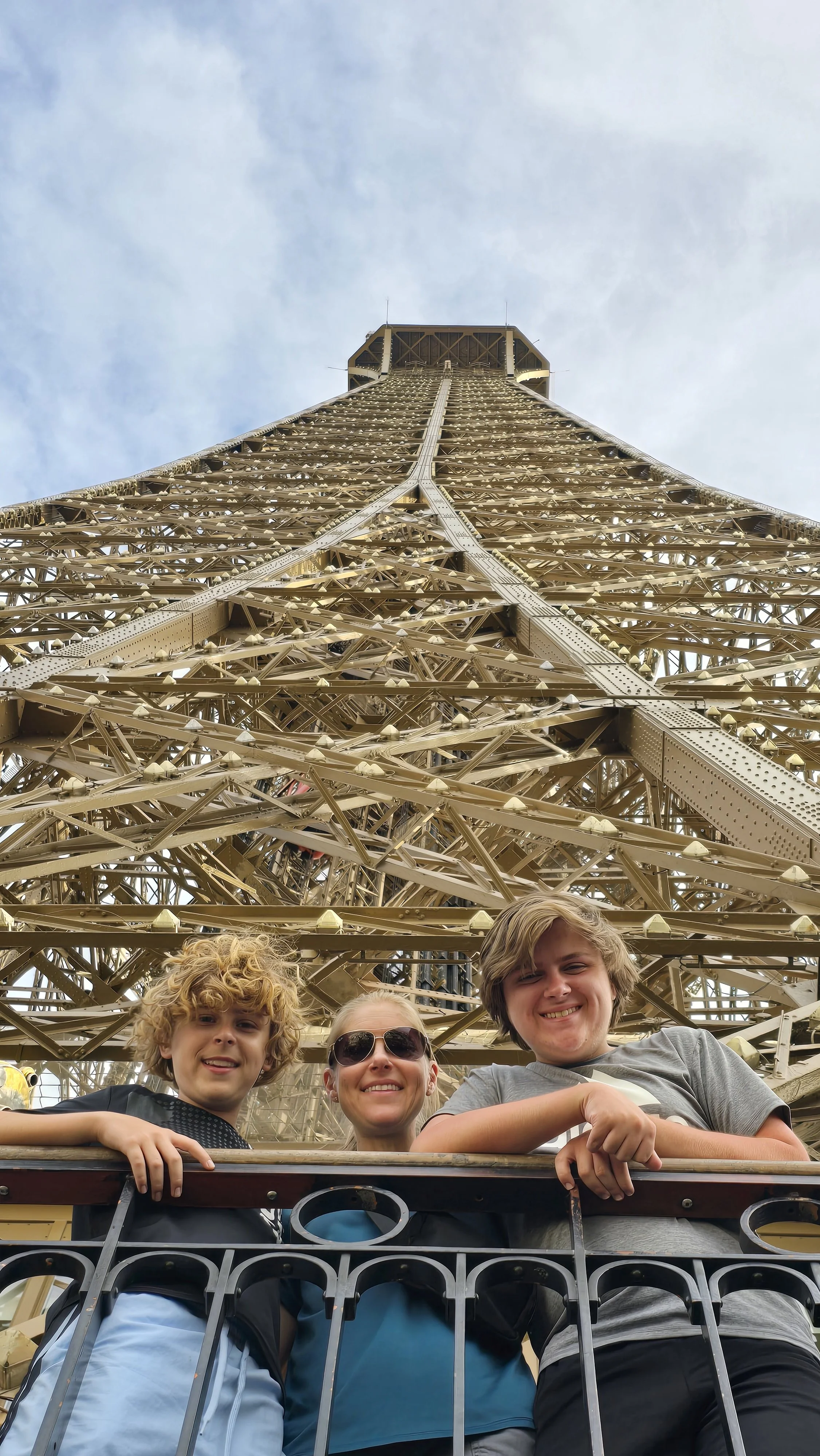
Three good days in Paris, even without the 9:30 PM view.
Even the trips that go sideways can turn out well. We still had three good days in Paris. The lower platform on the Eiffel Tower gave us a view we were glad to have. But we think about that 9:30 PM time slot sometimes. The city lit up below, the trip just beginning after twelve days of travel, and what it would have looked like from the top.
The families who struggle most when something shifts aren't always the ones who planned poorly. They're often the ones whose plan had no room to move when something outside their control changed it. That's the part of a European trip that never shows up in a booking confirmation, and it's the part we spend the most time getting right.
If you're curious what a detailed, day-by-day itinerary from us actually looks like, we'll send you the real one. It's for a different trip, three generations through Italy and the Greek Islands, but it shows the kind of planning that goes into all of ours, including this one.